Beautiful Rural Scene Hand Drawn: Why Your Vector Choice Matters
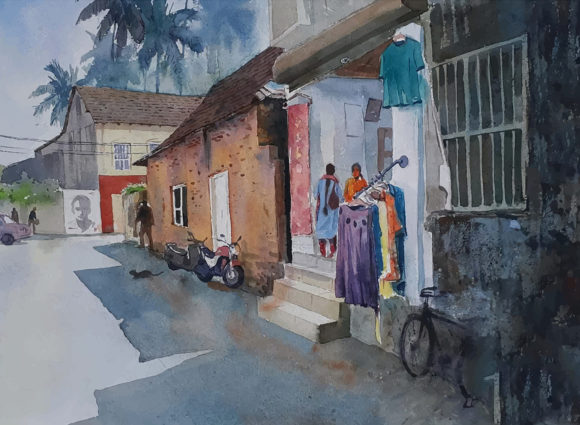
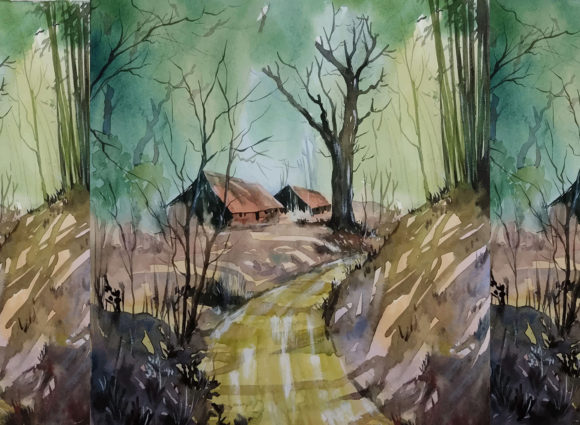
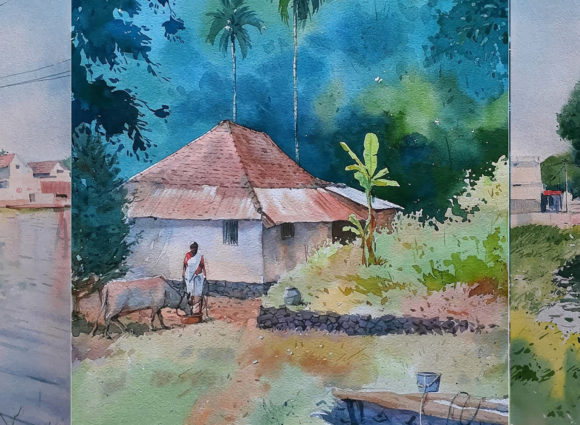
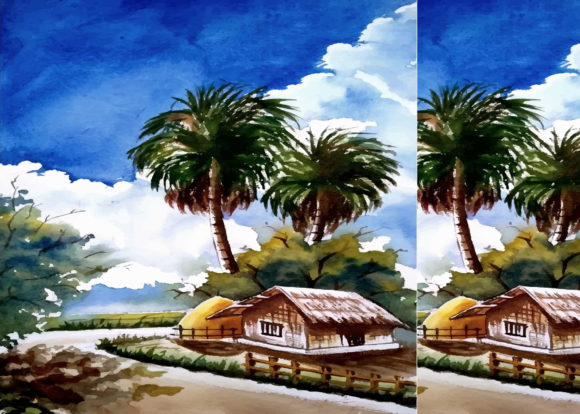
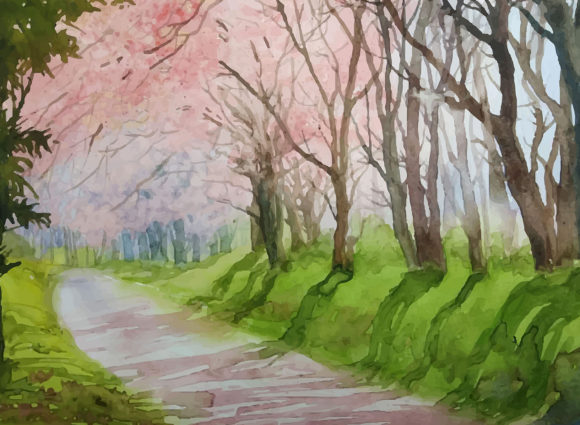
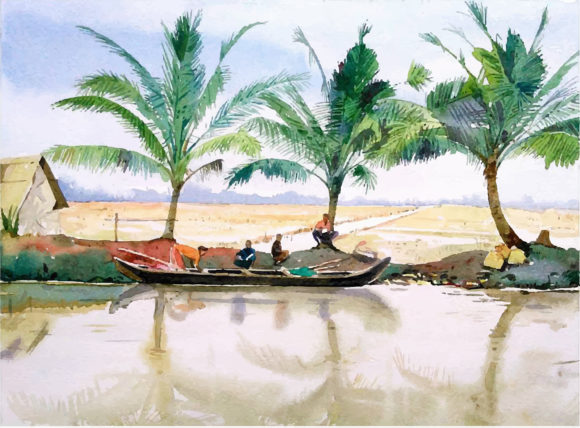
If you are looking to add a touch of rustic charm to your next project, the Beautiful Rural Scene Hand Drawn vector pack offers a compelling solution. It is not merely a collection of images; it is a curated set of high-quality 3D realistic assets designed for immediate use. Whether you are a small business owner creating packaging, a blogger designing a lifestyle post, or an educator preparing classroom materials, having access to professional-grade graphics can elevate your work significantly. However, the difference between a stunning final product and a disappointing one often comes down to understanding exactly what you are buying and how to apply it correctly.
The core appeal of this design lies in its versatility and quality. You receive a complete 100-vector file pack that includes essential formats like EPS and JPEG, ensuring compatibility across various software platforms. The promise of "ready-to-use" files is attractive because it saves time, but it also requires a specific mindset. Many creators assume that downloading a file guarantees instant perfection without considering the nuances of resolution, scaling, or color management. By approaching this asset with a clear strategy, you can avoid common pitfalls that waste money and compromise your brand's visual integrity.
Pitfalls in File Format Selection
One of the most frequent misunderstandings involves the confusion between raster and vector formats. While the pack includes a JPEG version, which is excellent for quick previews or web use, relying on it for large-scale printing is a mistake. A JPEG is a bitmap image made of pixels. If you attempt to enlarge a JPEG beyond its original dimensions, it will become pixelated and blurry, ruining the crisp lines of your rural scene. This error affects presentation immediately, making even the best designs look amateurish.
To ensure high-quality results, always prioritize the EPS file for any project requiring resizing, such as banners, signage, or merchandise. The EPS format maintains the mathematical precision of the hand-drawn lines, allowing you to scale the Beautiful Rural Scene Hand Drawn from a tiny icon to a massive wall mural without losing a single detail. Before you start your design process, verify that your software supports EPS files and that you have the necessary plugins if working in non-Adobe environments. Ignoring this step can lead to frustration when your client asks for a larger version of the artwork.
Understanding Resolution and Scalability
Another area where users often stumble is the assumption that all digital files are created equal regarding resolution. While the description highlights "High Quality 3d Realistic," the term "realistic" in a vector context refers to shading and depth, not necessarily pixel density. When using these files for print, you must ensure your document settings match the intended output size. If you place a vector graphic into a low-resolution print layout, the final result may suffer from aliasing or jagged edges, detracting from the smooth, hand-drawn aesthetic.
A better approach is to check your print specifications before opening the file. Ensure your color mode is set to CMYK for physical prints rather than RGB, which is standard for screens. Failing to do so can result in colors appearing dull or shifted once printed. Additionally, while the files are ready to use, they are not magic. They require proper placement within your composition. Overcrowding a rural scene with too much text or competing elements can dilute the impact of the artwork. Give the design room to breathe to maintain its elegance.
Common Usage Errors That Diminish Value
Many buyers purchase premium assets expecting them to solve every problem instantly, only to be disappointed when the final output doesn't meet their expectations. This often stems from a lack of preparation. For instance, some users try to edit the vector paths without understanding the layer structure. In a complex hand-drawn scene, layers might be grouped by element, such as trees, fences, or sky. Attempting to ungroup everything at once can create a chaotic workspace, making it difficult to isolate specific parts of the scene for customization.
To avoid this, take a moment to explore the file structure before diving into edits. Open the Layers panel in your design software and observe how the artist has organized the components. This practice helps you understand the logic behind the design and allows for more efficient editing. If you need to change the color of a specific barn roof, knowing which layer controls it saves hours of hunting through tangled paths. This level of organization directly impacts efficiency and ensures you get the most out of your investment.
The Danger of Over-Simplification
There is also a tendency among beginners to oversimplify complex vector art. Because the files are easy to just print and use, there is a risk of applying them without modification. While the Beautiful Rural Scene Hand Drawn is versatile, a generic application might not align with your specific brand identity. For example, using the default color palette on a modern tech startup's website might feel out of place. Instead, consider customizing the hues to match your brand guidelines while preserving the intricate details of the hand-drawn style.
This customization does not require advanced skills. Simple adjustments like changing fill colors or adjusting stroke weights can make the asset feel unique to your project. However, be careful not to over-edit to the point where the original artistic intent is lost. The charm of the piece lies in its hand-crafted look. If you flatten the textures too much or remove subtle shading, you lose the "3D realistic" quality that makes the file valuable. Striking a balance between adaptation and preservation is key to maintaining satisfaction with the final result.
Evaluating Your Needs Before Purchase
Before clicking the download button, it is crucial to evaluate whether this specific pack meets your current needs. Not every rural scene fits every project. Some users buy these assets hoping to use them for children's books, only to find the style is too mature or detailed for their target audience. Others might need a specific orientation, such as a panoramic view, but the pack contains vertical compositions. Misalignment between the asset and the project requirements leads to wasted resources and rework.
Review the included versions carefully. The pack mentions "1 Version," which implies a specific artistic direction. Ensure this direction matches your vision. If you need multiple variations, such as different seasons or times of day, you may need to look for a broader collection or plan to modify the existing file extensively. Checking the preview images thoroughly can prevent these mismatches. Look closely at the line weight, the complexity of the background, and the overall mood of the scene.
- Check Compatibility: Verify that your design software can open EPS files without issues.
- Assess Print Requirements: Confirm the DPI and color space needed for your final output.
- Review Licensing: Understand the usage rights, especially if you are selling products featuring the design.
- Test Scaling: Try enlarging the file in a test document to ensure no artifacts appear.
By taking these steps, you transform from a passive buyer into an informed creator. The goal is to use tools that enhance your workflow, not hinder it. The Beautiful Rural Scene Hand Drawn vector pack is a powerful resource when used correctly. It provides a foundation of high-quality art that can support a wide range of creative endeavors. With the right preparation and attention to detail, you can leverage this asset to produce professional, polished work that stands out in a crowded market.
Remember, the value of a digital asset is not just in the file itself, but in how skillfully you integrate it into your projects. Avoid the trap of assuming "ready to use" means "no thought required." Instead, treat the file as a starting point for your creativity. By respecting the technical aspects of vectors and understanding the limitations of different formats, you ensure that your rural scenes remain beautiful, sharp, and effective for years to come. This thoughtful approach is what separates hobbyists from professionals and ensures that your investment delivers long-term value.