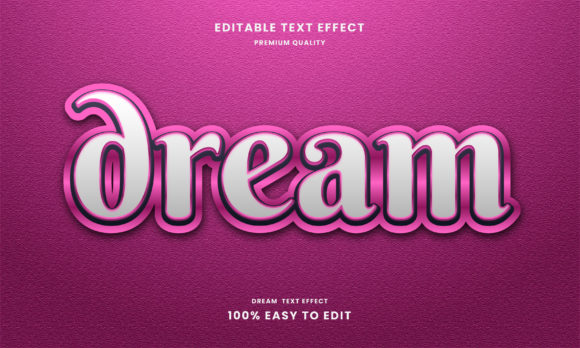
Dream 3d Text Effect: Integrating Editable Graphics into Professional Workflows
In the modern digital landscape, visual communication is no longer just about adding decoration; it is a critical component of brand identity and user engagement. For professionals ranging from marketing managers to freelance designers, the ability to produce high-quality typography quickly can be the difference between a polished final product and a rushed deliverable. This is where the Dream 3d Text Effect serves as a powerful asset within a broader creative ecosystem. It is not merely a static image but an editable graphic element designed to streamline the production process while maintaining professional standards.
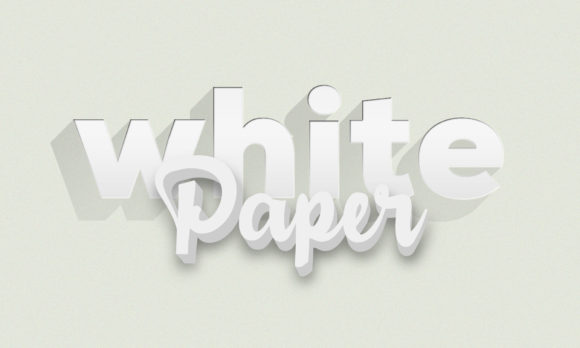
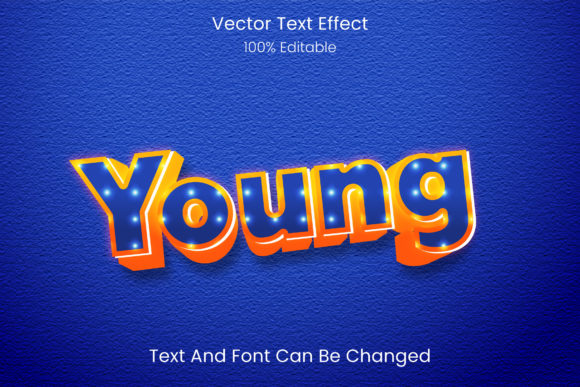
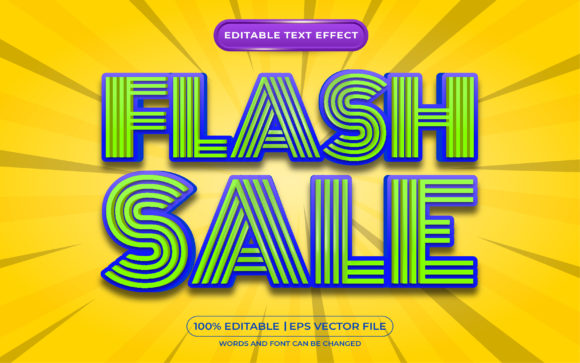
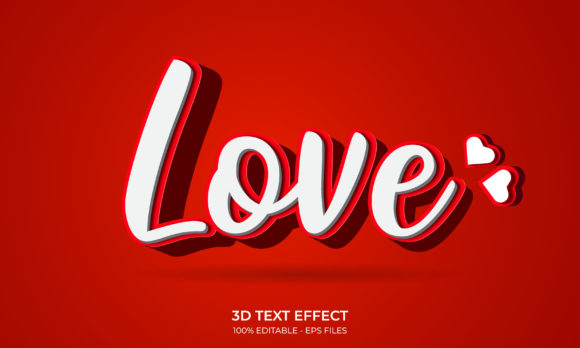
The core value of this tool lies in its flexibility. Unlike raster-based images that lose quality upon scaling or require complex tracing to modify, this effect is built for adaptability. Whether you are preparing assets for a social media campaign, designing a presentation for stakeholders, or creating content for a blog, having a text effect that integrates seamlessly into your existing workflow is essential. The Dream 3d Text Effect allows creators to focus on the message rather than spending hours manually constructing shadows, bevels, and lighting effects.
Technical Specifications and Compatibility
Before integrating any new asset into a project, understanding the technical constraints and capabilities is vital for ensuring efficiency. The Dream 3d Text Effect is delivered in Adobe Illustrator CC2020 format, a standard that ensures broad compatibility with most professional design environments. This specific versioning guarantees that the file structure remains intact when opened by users who have updated their software, reducing the risk of missing fonts or broken links.
The dimensions of the graphic are set at 2000x1200 pixels, providing a high-resolution canvas suitable for both web and print applications. This resolution strikes a balance between file size and clarity, making it ideal for digital screens without becoming unwieldy for larger print projects. Furthermore, the use of RGB color mode aligns perfectly with digital workflows, ensuring that colors remain vibrant and accurate across monitors, mobile devices, and web browsers. While print projects often require CMYK, starting with RGB allows for easy conversion later if necessary, offering a flexible starting point for various output requirements.
- File Format: AI (Adobe Illustrator) for maximum editability.
- Resolution: 2000x1200 pixels for sharp rendering.
- Color Mode: RGB optimized for digital displays.
- Software Version: Compatible with Adobe Illustrator CC2020 and newer versions.
- Typography: Utilizes free fonts to eliminate licensing complications.
Streamlining the Creative Process
The primary advantage of using the Dream 3d Text Effect is the reduction of repetitive tasks. In a typical design workflow, creating a unique 3D text style from scratch involves multiple layers of manipulation, including extrusion, beveling, and gradient mapping. By utilizing a pre-optimized graphic element, designers can bypass these foundational steps and move directly to customization. This shift allows for a more strategic approach to design, where time is allocated to concept development and layout rather than technical execution.
This efficiency is particularly beneficial during the planning phase of a project. When brainstorming concepts, teams often need to visualize ideas rapidly. Having a library of ready-to-use 3D text effects enables quick mockups that can be presented to clients or team members for immediate feedback. If a client prefers a different color palette or font weight, the Dream 3d Text Effect allows for instant adjustments without rebuilding the entire graphic. This agility fosters a collaborative environment where iteration becomes a natural part of the process rather than a bottleneck.
For entrepreneurs and small business owners who may not have dedicated design resources, this tool offers a pathway to professional-grade visuals. Instead of hiring a freelancer for every minor update or learning complex vector software from scratch, they can utilize the editable nature of the file to make changes independently. The inclusion of free fonts further simplifies this process, removing the legal and financial hurdles associated with premium typefaces. Users can swap out text freely, confident that the visual integrity of the 3D effect will remain consistent.
Integration with Broader Digital Assets
No design exists in isolation. The Dream 3d Text Effect must interact harmoniously with other elements such as logos, photographs, icons, and background patterns. Because the file is optimized and customized, it is designed to layer cleanly over other assets. The transparency and layer structure allow designers to place the text effect behind or in front of imagery without creating visual clutter or unwanted artifacts.
In a multi-platform strategy, consistency is key. A marketer might need to use the same 3D text style across a website banner, an email header, and a LinkedIn post. Since the source file is vector-based, scaling the Dream 3d Text Effect up or down does not degrade the quality. This scalability ensures that the brand voice remains visually consistent regardless of the medium. Whether the text appears on a massive billboard or a tiny smartphone screen, the crisp edges and precise shading maintain the intended aesthetic.
Furthermore, the editable nature of the graphic supports long-term brand evolution. As a company rebrands or updates its messaging, the text effect can be adapted to reflect new guidelines. Designers can tweak the depth, lighting direction, or color gradients to match a new brand identity without discarding the original asset. This longevity makes the investment in such a resource far more valuable than a one-off design solution.
Practical Implementation Tips
To get the most out of the Dream 3d Text Effect, it is important to approach the editing process with organization in mind. Before opening the file, ensure that your workspace is prepared. Check that your version of Adobe Illustrator is up to date to avoid compatibility issues. Once the file is open, take a moment to review the layer panel. Understanding which layers control the text, which control the shadows, and which handle the highlights will significantly speed up the editing process.
- Organize Your Layers: Rename layers logically before making changes. This prevents confusion when returning to the file later or handing it off to a colleague.
- Check Font Availability: Although the file uses free fonts, always verify that the correct typeface is installed on your system. If a font is missing, Illustrator will substitute it, potentially altering the spacing and alignment of the 3D effect.
- Test Color Variations: Experiment with different color combinations to see how the 3D lighting reacts. Some colors may appear flat depending on the lighting angle, so adjust the fill and stroke properties to achieve the desired depth.
- Export Strategically: When saving for web, export as PNG with a transparent background to preserve the 3D look. For print, convert the color mode to CMYK only after all edits are finalized to prevent unexpected color shifts.
Maintaining Quality and Consistency
Quality control is a critical aspect of any professional workflow. When using pre-made assets like the Dream 3d Text Effect, there is a temptation to apply them indiscriminately. However, effective implementation requires thoughtful consideration of context. The lighting and perspective of the 3D text should match the lighting of the surrounding imagery. If a photograph has a strong light source coming from the left, the shadows in the text effect should ideally align with that direction to create a cohesive scene.
Consistency also extends to usage frequency. Overusing a specific 3D effect can lead to visual fatigue among your audience. To maintain impact, use the Dream 3d Text Effect strategically for headlines, call-to-action buttons, or key announcements. Reserve simpler, flatter designs for supporting text to create a clear visual hierarchy. This selective approach ensures that the 3D effect retains its attention-grabbing power.
For educators and bloggers, this tool can enhance the educational experience by making abstract concepts tangible. Visualizing data or key terms with a 3D effect can help learners retain information better. Similarly, freelancers can use this asset to deliver faster turnarounds to clients, increasing their productivity and allowing them to take on more projects. The ability to customize the effect means that each delivery feels tailored to the client's specific needs, even if the base template is reused.
Conclusion on Workflow Integration
The Dream 3d Text Effect represents a practical solution for modern design challenges. It bridges the gap between the need for high-quality visuals and the demand for rapid production. By providing an editable, optimized, and dimensionally versatile asset, it empowers users to focus on the strategic aspects of their work rather than getting bogged down in technical details. Whether you are a seasoned designer refining a brand identity or a small business owner creating your first marketing materials, this tool fits naturally into the workflow, enhancing efficiency and output quality.
Ultimately, the success of any design project depends on the seamless integration of tools and techniques. The Dream 3d Text Effect stands out as a reliable component in this mix, offering the freedom to experiment and the stability to execute. By adopting this resource into your routine, you equip yourself with a versatile asset that adapts to your evolving needs, ensuring that your visual communications remain impactful, professional, and aligned with your goals.