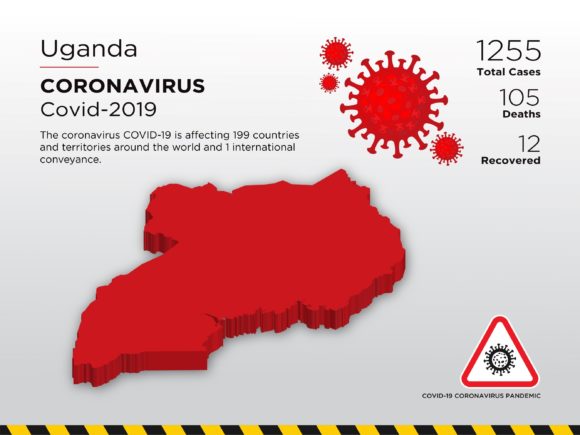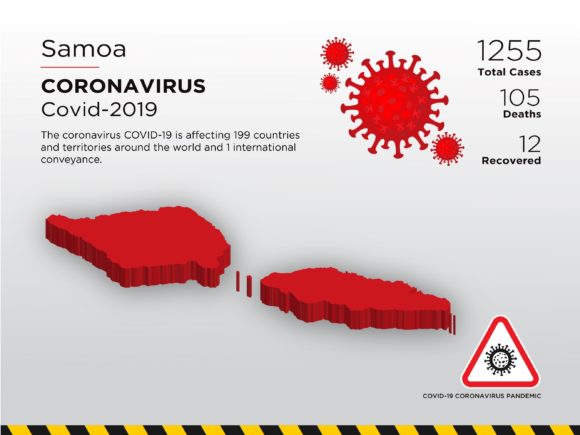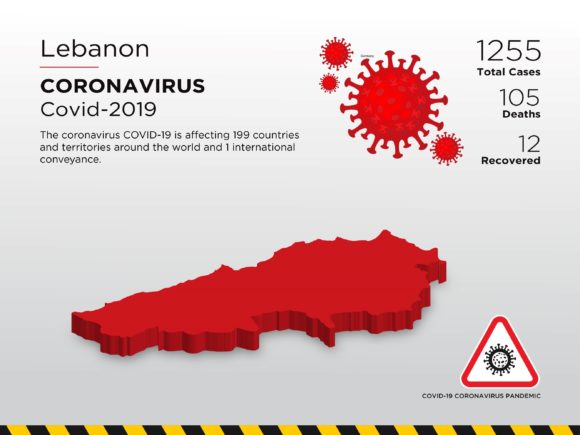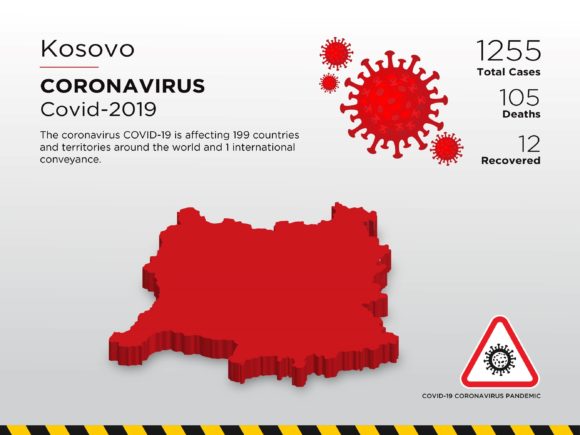
Estonia Affected Country 3D Map: A Strategic Asset for Pandemic Data Visualization
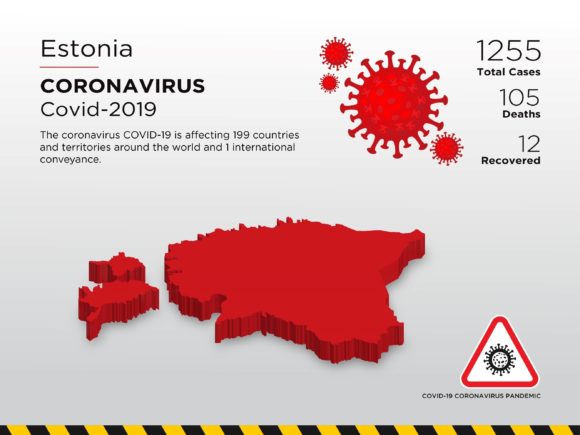
In the landscape of modern data communication, the ability to translate complex statistical information into intuitive visual formats is not merely an aesthetic choice; it is a functional necessity. The Estonia Affected Country 3D Map serves as a critical component in this ecosystem, specifically designed for professionals who need to convey the gravity and geographic spread of the coronavirus pandemic with clarity and impact. This template moves beyond standard 2D flat representations, offering a depth-oriented view that captures attention while delivering precise metrics on total cases, deaths, and recovered populations.
For marketers, educators, and content creators, integrating such specialized assets into your workflow requires understanding both the technical specifications and the strategic application of the design. This article explores how the Estonia Affected Country 3D Map fits into broader creative and informational workflows, providing practical guidance on implementation, compatibility, and long-term utility.
Understanding the Visual Hierarchy of Crisis Data
When dealing with sensitive topics like global pandemics, the visual language must balance urgency with professionalism. The Estonia Affected Country 3D Map utilizes a vector flat illustration style that remains clean and scalable across various mediums. Unlike photorealistic renders which can sometimes introduce clutter or ambiguity, flat 3D designs offer a consistent visual tone that aligns well with corporate branding, educational materials, and social media campaigns.
The inclusion of specific data points—total cases, deaths, and recovered peoples—is structured to guide the viewer’s eye logically. In a typical workflow, you might use this map as the central anchor of an infographic. The three-dimensional aspect adds a layer of sophistication, suggesting thoroughness and depth in the analysis. For professionals in healthcare communications or public policy, this level of detail helps establish authority and trust with the audience.
Integration into Social Media and Digital Campaigns
Social media platforms demand content that stops the scroll. The Coronavirus Post Infographics Design Template associated with the Estonia map is optimized for high-impact display. Whether you are designing a banner for LinkedIn, Instagram, or Twitter, the vector nature of the asset ensures crisp rendering at any resolution. This is particularly important when adapting content for different screen sizes, from mobile devices to large desktop monitors.
- Consistency Across Channels: Use the same color palette and typographic hierarchy found in the template to maintain brand identity. The vector files allow for easy modification of colors to match specific organizational guidelines without losing quality.
- Timely Updates: Pandemic data changes rapidly. While the template provides a static snapshot, its editable layers allow you to update text fields to reflect the latest statistics. This agility is crucial for maintaining relevance in fast-moving news cycles.
- Engagement Optimization: The combination of a striking 3D map with clear, concise statistics encourages shares and saves. Users are more likely to engage with content that is visually appealing and easy to digest quickly.
Workflow Integration for Creators and Designers
For graphic designers and digital artists, the availability of source files in EPS and JPEG formats streamlines the production process. Understanding how these formats interact within your preferred software stack is key to efficient execution.
Leveraging EPS Files for Scalability
The EPS (Encapsulated PostScript) format is invaluable for print-ready outputs and further vector manipulation. If you plan to incorporate the Estonia map into larger layouts, brochures, or high-resolution posters, working with the EPS file allows you to adjust line weights, recolor elements, and reposition components without pixelation. This flexibility supports a non-destructive workflow, where you can experiment with different design directions before finalizing the output.
Utilizing JPEG for Rapid Deployment
Conversely, the JPEG version is ideal for quick previews, web embedding, and direct upload to CMS platforms. When time is of the essence, such as during breaking news events related to the pandemic, having a ready-to-use rasterized image accelerates publication timelines. However, always retain the EPS source file for future revisions or higher-quality print needs.
Strategic Applications Beyond Immediate News Cycles
While the immediate context of the Coronavirus Covid-19 banner design concept is tied to the outbreak, the utility of these assets extends into long-term educational and archival projects. The themes of quarantine, stay-at-home orders, and global health monitoring remain relevant for ongoing public health awareness campaigns.
Educators can utilize the Global pandemic vector flat illustration to teach geography, statistics, and crisis management. By analyzing the distribution of cases shown in the Estonia map, students can explore factors influencing virus transmission, such as population density and healthcare infrastructure. Similarly, small business owners and entrepreneurs can use these visuals to communicate safety protocols to customers, demonstrating a commitment to transparency and community well-being.
Quality Control and Best Practices
To ensure the highest quality output when using the Affected Country 3D Map of Coronavirus Infographics Design Template, adhere to the following best practices:
- Color Accuracy: Calibrate your monitor to ensure that the colors in the 3D map render accurately. Misaligned colors can detract from the professional appearance of the design.
- Typography Pairing: Choose fonts that complement the modern, flat aesthetic of the vector illustration. Avoid overly decorative typefaces that compete with the visual weight of the map.
- Data Verification: Always cross-reference the statistics presented in the template with reliable sources. Even minor errors in numbers can undermine credibility.
- Accessibility Considerations: Ensure sufficient contrast between text and background elements. This not only improves readability but also adheres to accessibility standards, making your content inclusive for users with visual impairments.
Long-Term Value and Asset Management
Investing in high-quality design templates like the Estonia Affected Country 3D Map offers long-term value. As digital content libraries grow, having organized, well-documented assets simplifies future projects. Tagging and categorizing these files by theme (e.g., "Pandemic," "Healthcare," "Data Visualization") ensures they can be easily retrieved when needed.
Furthermore, the modular nature of vector illustrations allows for repurposing. Elements from the Estonia map can be extracted and combined with other assets to create new infographics about different regions or health topics. This adaptability maximizes the return on investment for your design resources.
Conclusion
The Estonia Affected Country 3D Map is more than just a graphic; it is a tool for effective communication in a data-driven world. By understanding its capabilities and integrating it thoughtfully into your workflow, you can enhance the clarity and impact of your messages regarding global health issues. Whether you are producing social media banners, educational materials, or internal reports, this template provides the structural foundation needed to present complex information with precision and style.
Thank you for considering this resource for your creative and professional needs. We hope that the Coronavirus Post Infographics Design Template proves useful in your endeavors. If you find value in this product, we appreciate your support and recommendations, which help us continue to provide high-quality assets for our community.