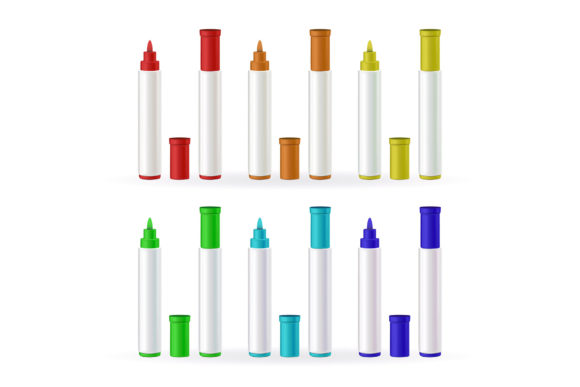
Marker Pens Stationery Different Color
In the fast-paced world of visual communication, a single burst of color can transform a mundane concept into a compelling narrative. This is where Marker Pens Stationery Different Color assets come into play, offering designers a versatile toolkit to inject energy, personality, and precision into their projects. Whether you are crafting a vibrant brand identity or designing an engaging user interface, the ability to manipulate vivid painting tools within your digital workflow is no longer just a luxury—it is a necessity.
When we talk about creative resources like a Marker Pens Stationery Different Color Set Vector, we are referring to high-fidelity illustrations that capture the essence of physical art supplies in a scalable, editable format. These assets go beyond simple clipart; they represent a spectrum of professional possibilities for graphic design, editorial layouts, and modern aesthetics. By integrating realistic 3D illustrations of artist marker pencils, creators can achieve a tactile quality that flat designs often lack, bridging the gap between digital screens and tangible experiences.
The Strategic Value of Realistic Design Assets
In today's digital marketing landscape, authenticity drives engagement. Users are increasingly drawn to content that feels human and approachable. A collection featuring various spectrum palette options allows designers to simulate hand-drawn elements with mathematical precision. This duality—combining the organic feel of markers with the technical reliability of vector graphics—creates a unique visual hierarchy that guides the viewer's eye effectively.
Consider the impact on branding. When a logo design incorporates these vivid painting tools, it suggests creativity, agility, and a hands-on approach. For businesses in the arts, education, or lifestyle sectors, this visual language resonates deeply. It communicates that the brand values individuality and artistic expression, setting it apart from competitors who rely solely on sterile, geometric forms.
Practical Applications Across Industries
The versatility of these creative assets extends far beyond a single use case. Here is how professionals leverage them across different design disciplines:
- Branding and Logo Design: Use marker textures to create logos that feel custom-made and memorable, adding warmth to corporate identities.
- Social Media Graphics: Generate eye-catching posts for platforms like Instagram and Pinterest where colorful, hand-drawn aesthetics drive higher engagement rates.
- Packaging Design: Apply realistic 3D illustrations to product labels to highlight artisanal qualities or eco-friendly materials.
- Editorial and Print Design: Enhance magazine spreads and brochures with dynamic accents that break up text and draw attention to key messages.
- UI and UX Design: Incorporate playful iconography and buttons to soften the user experience and make digital products feel more inviting.
Evaluating Quality and Compatibility
Not all design assets are created equal. When sourcing a Marker Pens Stationery Different Color Set Vector, it is crucial to evaluate the technical specifications to ensure they fit seamlessly into your existing design workflow. High-quality files should be available in multiple formats, including JPG, EPS, AI, PSD, and PNG, to accommodate various software environments and project requirements.
Vector formats like EPS and AI are particularly valuable because they allow for infinite scalability without losing resolution. This ensures that whether you are printing a massive billboard or displaying an icon on a mobile screen, the image remains crisp and professional. Furthermore, layered PSD files provide the flexibility to adjust colors, shadows, and textures independently, giving you complete control over the final composition.
Maximizing Visual Impact
To truly elevate your projects, consider how typography interacts with these visual elements. Pairing bold, handwritten-style fonts with marker illustrations creates a cohesive look that reinforces the theme. Conversely, using clean, sans-serif typography against a colorful background can create a striking contrast that emphasizes clarity and readability.
Consistency is also key. Ensure that the color palette of your chosen markers aligns with your brand guidelines. While variety is important, maintaining a unified tone prevents the design from appearing chaotic. Think about the emotional response you want to evoke: do you need the excitement of neon hues or the sophistication of muted pastels? The right selection can significantly influence user perception and decision-making.
Ultimately, the goal of any design initiative is effective communication. By utilizing premium creative assets like realistic 3D illustrations of office highlighters and artist tools, designers can craft visuals that not only look stunning but also serve a strategic purpose. These elements add depth, texture, and a sense of craftsmanship that resonates with audiences on a deeper level.
As you embark on your next creative project, remember that the details matter. Thoughtful choices in imagery, color, and composition can transform a standard presentation into a powerful statement. Investing in high-quality, diverse design resources empowers you to tell your story with greater confidence and style, ensuring your work stands out in a crowded digital ecosystem.