Mastering the Tree 3d Text Style Effect: A Comprehensive Design Guide
In the ever-evolving landscape of digital design, visual hierarchy and depth are paramount for capturing attention. One technique that has gained significant traction among graphic designers, web developers, and creative professionals is the Tree 3d text style effect. This specific aesthetic goes beyond simple flat typography; it introduces a sense of volume, dimension, and organic structure to letterforms. Whether you are designing a logo, creating a banner, or crafting a social media post, understanding how to leverage this effect can transform a standard message into a compelling visual statement.
This article explores the nuances of the Tree 3d text style effect, breaking down its technical specifications, practical applications, and the benefits it offers to various users. We will examine why high-resolution vector files are crucial for professional output and how this tool can streamline your creative workflow without requiring advanced 3D modeling skills.
Understanding the Core Concept
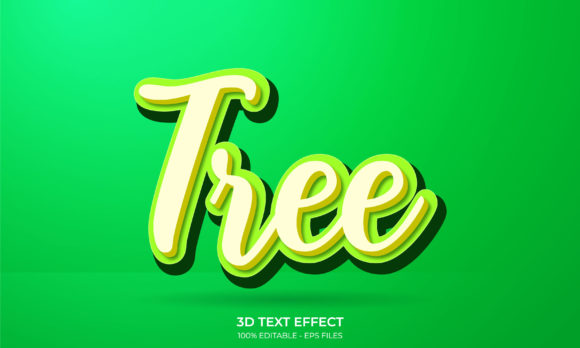
The Tree 3d text style effect is not merely a filter applied to text; it is a sophisticated layering technique designed to simulate depth and texture. Unlike standard extrusion effects that often look uniform and plastic-like, the "Tree" variation implies a more complex, perhaps layered or branching structural quality. It mimics the natural growth patterns found in nature, giving the letters a rugged, textured appearance that stands out against flat backgrounds.
At its heart, this design feature relies on the manipulation of RGB color modes to create realistic lighting and shadow interactions. By carefully adjusting the red, green, and blue channels, designers can achieve a vibrant, eye-catching result that renders beautifully on both screens and print media. The goal is to create an illusion of physical presence, making the text feel like a tangible object rather than just ink on a page.
Technical Specifications and Quality Standards
When selecting design assets, resolution and format are critical factors that determine the final quality of your project. The Tree 3d text style effect described here is engineered with rigorous standards to ensure versatility:
- 300 DPI Resolution: High-DPI (Dots Per Inch) is essential for print materials. A resolution of 300 DPI ensures that when your design is printed on business cards, flyers, or large banners, the edges remain sharp and the details of the 3D effect do not appear pixelated or blurry.
- Vector RGB Color Mode: Working in RGB mode allows for a broader spectrum of colors compared to CMYK, which is ideal for digital displays. However, the inclusion of vector capabilities means the graphics are mathematically defined, allowing them to be scaled to any size without losing clarity.
- Multiple File Formats: Flexibility is key in modern workflows. The package typically includes AI (Adobe Illustrator), EPS (Encapsulated PostScript), JPG (Joint Photographic Experts Group), and ZIP archives. These formats ensure compatibility across different software suites, from industry-standard Adobe Creative Cloud tools to free online editors.
The inclusion of a Zip file containing these diverse formats makes the asset incredibly easy to modify. You can open the AI or EPS file to change the text content, adjust the colors, or alter the depth settings directly. If you only need a quick preview or a raster image for a website, the included JPG files provide immediate usability.
Practical Applications Across Industries
The utility of the Tree 3d text style effect extends far beyond niche artistic projects. Its unique combination of depth and readability makes it suitable for a wide array of scenarios where impact is necessary.
Branding and Logo Design
For businesses looking to establish a strong visual identity, logos must be memorable. A flat logo might get lost in a crowded marketplace, but a logo utilizing the Tree 3d text style effect adds weight and authority. The textured, dimensional look suggests stability and craftsmanship. Because the files are vectors, these logos can be used on everything from tiny mobile app icons to massive building signage without degradation.
Digital Marketing and Social Media
In the fast-paced environment of social media, users scroll quickly. To stop the thumb, visuals need to pop. The Tree 3d text style effect creates a focal point that draws the eye immediately. When promoting a sale, announcing a new product, or sharing an inspirational quote, using this text effect can increase engagement rates. The RGB color mode ensures the colors remain vivid on smartphone screens and desktop monitors alike.
Educational and Presentation Materials
Teachers, professors, and corporate trainers often struggle to make slides engaging. Standard bullet points can be dry, but incorporating 3D text headers can break up the monotony and highlight key concepts. The clarity of the 300 DPI resolution ensures that even if the presentation is projected onto a large screen, the text remains crisp and legible.
Why Vector Files Matter for Modification
One of the most significant advantages of this design approach is the ease of customization. Many users worry about being locked into a specific design they cannot change. However, by providing AI File and EPS File formats, the design process becomes collaborative and adaptable.
Imagine you have created a promotional poster using the Tree 3d text style effect, but halfway through production, the client decides to change the company name or update the color scheme to match a new brand guideline. With a raster-only image (like a low-quality PNG), you would be stuck. But with vector files, you can simply select the text layer, type in the new words, and instantly recolor the entire 3D structure. The shadows, highlights, and depth layers automatically adjust to maintain the integrity of the effect.
This modifiability saves time and reduces costs. Instead of hiring a designer to recreate the text from scratch, you can make the changes yourself using basic editing tools. This democratization of design empowers small business owners and solo creators to produce professional-grade materials without a steep learning curve.
Evaluating Suitability and Limitations
While the Tree 3d text style effect is powerful, it is important to use it judiciously. Like any design element, it has strengths and considerations that must be weighed before implementation.
Strengths
- Visual Impact: The primary strength is its ability to command attention through depth and texture.
- Scalability: Vector-based designs ensure quality at any scale, from a favicon to a billboard.
- Professional Finish: The 300 DPI resolution guarantees a polished look that elevates the perceived value of the brand or project.
Considerations and Limitations
However, there are scenarios where this effect might not be the best choice. Overusing 3D text can lead to visual clutter, especially in minimalist designs where whitespace is a key element. Additionally, while the effect looks great on screens, printing extremely dark or highly saturated 3D colors requires careful color management to avoid banding or unexpected shifts in the final print.
Furthermore, accessibility should always be a priority. While the Tree 3d text style effect is visually striking, it must not compromise readability. If the shadows are too heavy or the contrast between the text and background is too low, it can become difficult for users with visual impairments to read. Always test your designs for contrast ratios to ensure inclusivity.
Getting Started with Your Project
If you are ready to incorporate the Tree 3d text style effect into your next project, the process is straightforward. Start by downloading the package, which includes the ZIP file with all necessary assets. Unzip the folder and locate the AI or EPS file depending on your preferred software.
Open the file and explore the layers. Most well-organized design files separate the base text, the side extrusions, and the top surfaces. This separation gives you granular control over the look. You can experiment with different gradients to simulate wood, metal, or stone textures, adapting the effect to fit your specific theme.
Remember that the goal of design is communication. Use the Tree 3d text style effect to enhance your message, not to overshadow it. When used correctly, it bridges the gap between static information and dynamic storytelling, making your content more engaging and memorable for your audience.
Whether you are a seasoned graphic designer looking for a new tool in your arsenal or a business owner trying to make your marketing materials stand out, understanding and utilizing the Tree 3d text style effect can elevate your work. With its high-resolution capabilities, flexible vector formats, and stunning visual appeal, it represents a valuable resource for anyone seeking to add depth and character to their typography.
By prioritizing quality, such as the 300 DPI resolution and RGB color accuracy, and leveraging the ease of modification provided by AI and EPS files, you ensure that your projects meet professional standards. As you continue to refine your design skills, keep this versatile effect in mind as a go-to solution for adding a touch of three-dimensional magic to your two-dimensional world.