Singapore Affected Country 3D Map: A Strategic Tool for Pandemic Communication
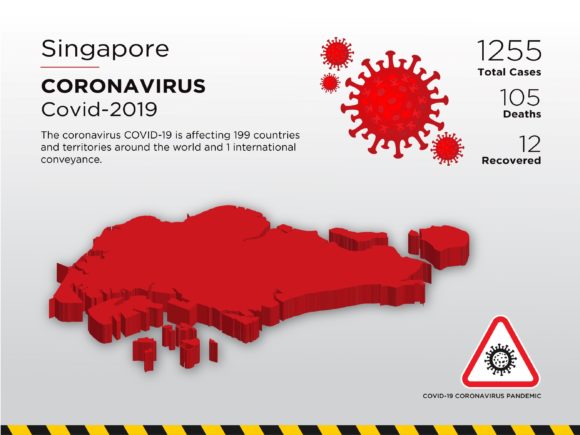
In the fast-paced world of digital communication, visual data is often the difference between a message that is ignored and one that is shared. When discussing global health crises like the coronavirus pandemic, clarity is paramount. This is where the Singapore Affected Country 3D Map serves as a critical asset for creators, marketers, and educators. It transforms complex statistical data into an intuitive, three-dimensional narrative that can be easily understood by audiences ranging from young adults to senior citizens.
However, simply downloading a template does not guarantee success. Many professionals make the mistake of treating infographics as mere decorations rather than strategic communication tools. To get the most out of this design, you must understand its potential applications and avoid common pitfalls that can dilute your message or damage your credibility.
Understanding the Value of Three-Dimensional Visualization
The Singapore Affected Country 3D Map is more than just a graphic; it is a sophisticated vector illustration designed to represent the scale and spread of a pandemic with depth and realism. Unlike flat maps that rely on color gradients alone, a 3D representation adds a layer of urgency and gravity to the data. It visually communicates the concept of "affected areas" in a way that feels immediate and tangible.
This design template typically includes comprehensive data points such as total cases, deaths, and recovered individuals. For social media managers and bloggers, this means you have a ready-made structure to display real-time statistics without needing to build a chart from scratch. The inclusion of quarantine concepts, stay-at-home reminders, and global pandemic vectors ensures that the design covers all necessary aspects of public health messaging.
When used correctly, this tool helps you stand out in a crowded feed. It signals to your audience that you are providing well-researched, professional-grade information. Whether you are a small business owner updating clients on safety protocols or an educator explaining the virus's trajectory, the visual impact of a high-quality 3D map can significantly boost engagement rates.
Common Pitfalls in Design Selection and Usage
Despite the clear benefits, many users overlook crucial details when selecting and applying these templates. One of the most frequent errors is failing to check the file formats before purchase. While the product description mentions EPS and JPEG files, understanding the specific use case for each format is essential.
Mistake #1: Ignoring Vector Scalability
If you plan to use the map for large-scale print materials, such as posters or banners, using a low-resolution JPEG will result in pixelation. The Singapore Affected Country 3D Map is valuable because it comes in EPS (Encapsulated PostScript), which is a vector format. Vectors allow you to scale the image up or down infinitely without losing quality. If you skip checking for the EPS file, you risk ruining a professional presentation simply due to poor resolution.
Mistake #2: Overcrowding the Visual Space
Another common error occurs during the editing phase. Creators often try to cram too much text onto the infographic. When you add labels for total cases, deaths, and recoveries, it is tempting to make the font tiny to fit everything in. However, this defeats the purpose of the design. A good infographic should guide the eye, not confuse it. If the text is unreadable, the user will scroll past your post immediately.
Mistake #3: Mismatched Context
Using a global pandemic design specifically for local news without customization can lead to confusion. While the Affected Country 3D Map is excellent for showing Singapore's specific situation within a global context, ensure that the color scheme and icons align with current health guidelines. Using outdated symbols or colors that contradict official health advisories can erode trust instantly.
How Mistakes Impact Your Results
The consequences of these oversights extend beyond aesthetics. In the realm of public health communication, accuracy and clarity are non-negotiable. If your design looks amateurish or contains hard-to-read data, your audience may question the validity of the information you are sharing.
For entrepreneurs and freelancers, a poorly executed banner can look unprofessional, potentially costing you future contracts. Clients expect visual assets that reflect attention to detail. If you present a pixelated image or a cluttered layout, it suggests a lack of care that could transfer to your other work. Furthermore, in an era where misinformation spreads rapidly, a confusing infographic can inadvertently contribute to misunderstanding, leading to poor decision-making among your followers.
Efficiency is also at stake. Spending hours trying to fix a low-resolution image or re-designing a layout because you didn't choose the right file type is a waste of valuable time. By avoiding these mistakes upfront, you streamline your workflow and ensure that your content is ready to publish quickly and effectively.
Practical Strategies for Success
To maximize the utility of the Singapore Affected Country 3D Map, adopt a methodical approach to selection and editing. Start by verifying the file formats. Ensure you have both the EPS file for high-quality printing and the JPEG for quick social media uploads. This dual-format availability is a key feature of this template that should be leveraged fully.
When customizing the design, prioritize hierarchy. Make the most important statistic—the total number of cases or the recovery rate—the focal point. Use bold typography for numbers and lighter fonts for explanatory text. Remember that the human eye scans images in an "F" pattern; place your primary message in the top-left or center area.
Checklist Before You Publish:
- Verify Data Accuracy: Cross-reference the numbers you input with the latest official reports from the Ministry of Health or WHO.
- Test Readability: View your design on a mobile device. If the text is too small to read on a phone screen, increase the size.
- Ensure Color Contrast: Make sure the text stands out against the 3D background. Poor contrast makes information inaccessible to users with visual impairments.
- Review File Integrity: Open the EPS file in your vector software to confirm that all layers are intact and editable.
Maximizing the Template for Various Platforms
The versatility of this design allows it to serve multiple purposes. For social media posts, the banner design concept works perfectly for Instagram stories, Facebook updates, or LinkedIn articles. The global pandemic vector flat illustration provides a modern aesthetic that fits seamlessly into contemporary digital trends.
For educators, the map can be a powerful teaching aid. It helps students visualize the spread of the virus and understand the importance of quarantine measures. The "stay at home" banner design concept can be adapted into educational slides to reinforce safety protocols in schools or training sessions.
Marketers can use the Coronavirus Post Infographics Design template to create awareness campaigns. By highlighting the number of recovered people, you can foster a sense of hope and resilience, balancing the grim reality of death tolls with positive outcomes. This balanced approach is crucial for maintaining audience engagement without causing panic.
Final Thoughts on Making the Right Choice
Choosing the right visual asset is an investment in your communication strategy. The Singapore Affected Country 3D Map offers a robust foundation for creating impactful, informative, and aesthetically pleasing content. By understanding its features, avoiding common design errors, and adhering to best practices, you can create materials that inform, engage, and inspire action.
Whether you are a beginner looking to enhance your first blog post or a seasoned professional managing a crisis communication campaign, this template provides the flexibility and quality needed to succeed. Take the time to review the included files, customize them thoughtfully, and always prioritize clarity over complexity. With the right approach, this design will become an invaluable part of your toolkit for navigating the challenges of the digital age.