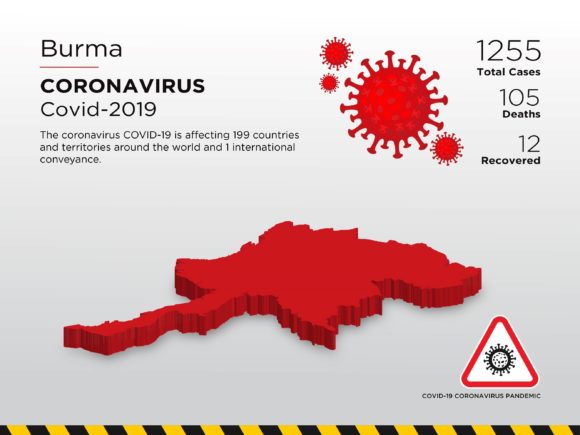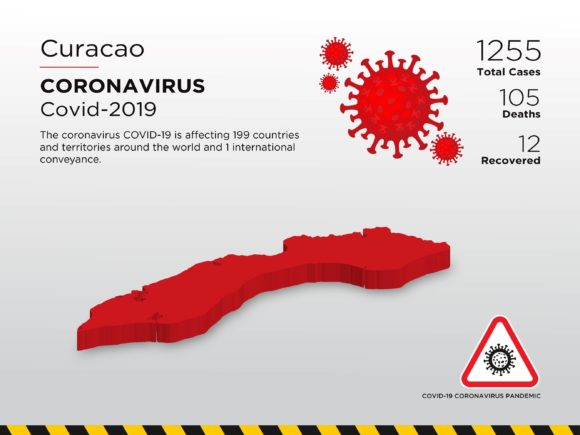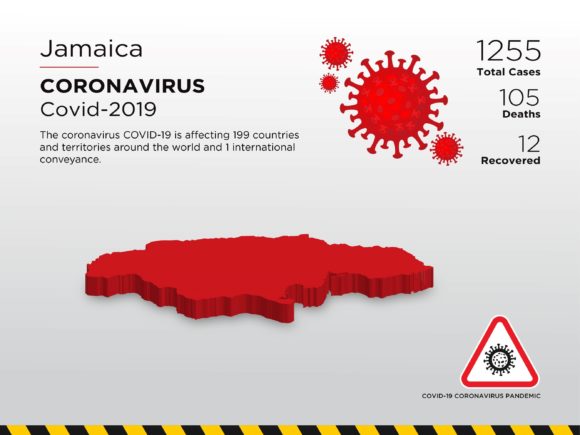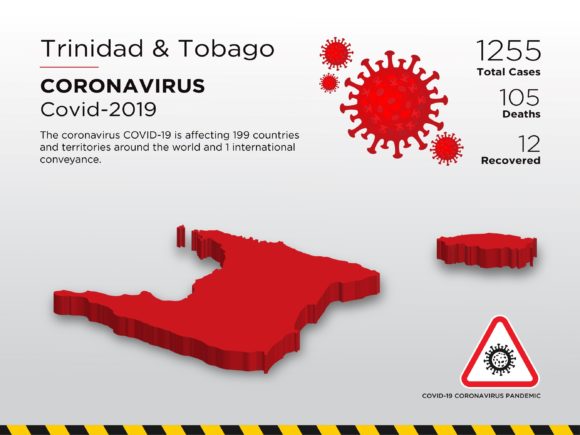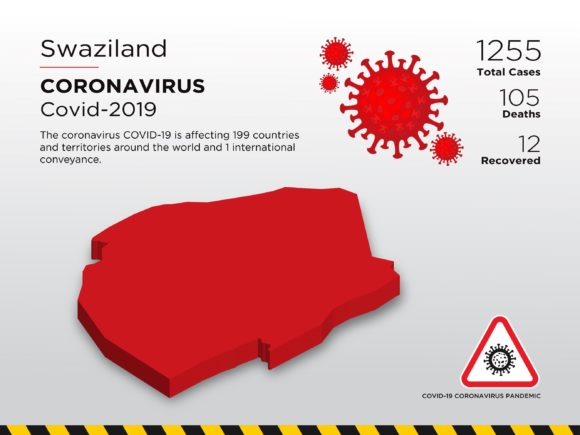
Swaziland Affected Country 3D Map: A Visual Guide to Pandemic Data
In an era where information travels faster than the virus itself, the way we visualize data has become just as critical as the data points themselves. When discussing global health crises, static charts often fail to capture the urgency and geographic complexity of an outbreak. This is where a Swaziland Affected Country 3D Map becomes an indispensable tool for creators, journalists, and public health officials alike. By transforming flat statistics into immersive three-dimensional landscapes, this design template offers a new perspective on how we understand the spread of disease.
The Power of Three-Dimensional Visualization in Health Communication
Traditional infographics are excellent for summarizing numbers, but they lack spatial context. The human brain processes visual depth more intuitively than two-dimensional grids. A Swaziland Affected Country 3D Map leverages this cognitive advantage by rendering the nation's geography with elevation and texture, allowing viewers to instantly grasp the scale of the affected areas. Instead of simply reading that "Region X has 50 cases," a user sees a highlighted peak or a shaded zone that visually represents the intensity of the situation.
This approach is particularly valuable when dealing with the Affected Country 3D Map of Coronavirus Infographics Design Template. The transition from flat vector illustrations to 3D representations adds a layer of realism that commands attention. For social media users scrolling through feeds filled with generic text updates, a 3D map stands out. It breaks the monotony of standard reporting and invites the audience to engage deeper with the content. Whether you are a graphic designer looking for high-quality assets or a business owner needing to communicate safety protocols, this tool bridges the gap between raw data and compelling storytelling.
Key Features of the Swaziland Affected Country 3D Map Template
Understanding the specific components of this design template helps users maximize its potential. The template is not merely a picture; it is a comprehensive package designed for versatility and clarity. Below are the core elements that define its utility:
- Global Pandemic Vector Flat Illustration: At the heart of the design lies a clean, modern vector illustration representing the global pandemic. This element serves as a backdrop or thematic anchor, ensuring that the focus remains on the specific impact within Swaziland while acknowledging the broader context of the worldwide crisis.
- Statistical Clarity (Cases, Deaths, Recovered): One of the most challenging aspects of pandemic communication is presenting sensitive data without causing panic. This template includes dedicated sections for Total Cases, Deaths, and Recovered People. These figures are integrated seamlessly into the 3D environment, making them easy to read and interpret at a glance.
- Social Media Post Banner Design: Recognizing that most people consume news on mobile devices, the layout is optimized for social media platforms. The dimensions and composition ensure that the message looks professional on Instagram, Facebook, Twitter, and LinkedIn, increasing the likelihood of shares and engagement.
- Quarantine and Safety Concepts: Beyond statistics, the design incorporates conceptual elements like Quarantine and Stay at Home messages. These banners serve as a call to action, reminding the community of their role in curbing the spread of the virus.
The inclusion of both EPS and JPEG file formats ensures that the template is accessible regardless of your workflow. Professionals who need to edit layers, change colors, or add custom text will find the EPS format essential. Meanwhile, those who need immediate use for web publishing can rely on the high-resolution JPEG files.
Practical Applications for Creators and Businesses
Who benefits most from the Swaziland Affected Country 3D Map? While the primary audience might seem to be public health organizations, the utility extends far beyond government agencies. Here are several real-world scenarios where this asset proves invaluable:
1. Public Awareness Campaigns
Local NGOs and community leaders in Eswatini (formerly Swaziland) can use this template to create localized awareness campaigns. By highlighting specific regions with higher infection rates using the 3D map, they can direct resources more effectively and inform residents about local restrictions. The visual distinction between affected and unaffected areas helps in planning logistics for medical supplies and testing centers.
2. Corporate Communication and Safety Protocols
Business owners operating in the region must keep employees informed about the evolving situation. A company newsletter or internal blog post featuring the Coronavirus Post Infographics Design template can convey complex safety guidelines in a digestible format. Instead of a wall of text regarding quarantine measures, a single banner with the 3D map and recovery statistics can summarize the current status of the workforce and the region.
3. Educational Materials for Students
Teachers and educators face the challenge of explaining the pandemic to students without overwhelming them. The Global pandemic vector flat illustration combined with the 3D map provides a visual aid that simplifies the concept of viral spread. It allows educators to discuss geography, data analysis, and public health simultaneously, turning a difficult topic into an engaging lesson.
4. Journalism and Content Creation
For digital publishers and bloggers, original visuals are key to SEO and reader retention. Using a generic image found online can lead to copyright issues and a lack of uniqueness. By utilizing the Affected Country 3D Map of Coronavirus Infographics Design Template, content creators can produce unique articles that rank better in search engines and provide readers with a fresh perspective on the news.
Evaluating Suitability for Your Project
Before integrating this template into your workflow, it is important to consider how it aligns with your specific goals. The strength of the Swaziland Affected Country 3D Map lies in its balance between aesthetic appeal and informational density. However, like any design tool, it requires thoughtful application.
Considerations for Use:
- Data Accuracy: While the template provides the structure, the data entered must be accurate and up-to-date. Using outdated statistics can undermine the credibility of your message. Always cross-reference the numbers with official health reports before publishing.
- Cultural Sensitivity: When designing for a specific country like Swaziland, ensure that the imagery respects local cultural norms. The template's neutral yet urgent tone generally works well, but customization should be done carefully to avoid misinterpretation.
- Platform Optimization: Remember that a design that looks perfect on a desktop monitor may lose detail on a small smartphone screen. Test the Social media post banner design across various devices to ensure readability.
The template is particularly effective when used as part of a larger communication strategy. It should not stand alone but rather complement other efforts such as press releases, community meetings, and educational workshops. Its ability to condense complex information into a single, powerful image makes it a versatile asset for any crisis management plan.
Why This Template Stands Out
In a market saturated with generic pandemic graphics, the Swaziland Affected Country 3D Map distinguishes itself through specificity and quality. Many templates offer a generic globe or a vague map, but this design focuses on the nuances of a specific region, providing a level of relevance that generic designs cannot match. The integration of the Quarantine, stay at home, coronavirus Covid-19 banner design concept ensures that the visual is not just informative but also actionable.
Furthermore, the technical quality of the files—ranging from editable vectors to ready-to-use images—demonstrates a commitment to usability. Whether you are a seasoned graphic designer or a novice creating a flyer for a local event, the accessibility of these files lowers the barrier to entry for high-quality visual communication.
Conclusion: Empowering Communication Through Design
The fight against a global pandemic requires more than just medical interventions; it demands clear, effective, and empathetic communication. The Swaziland Affected Country 3D Map and its accompanying infographic suite provide the tools necessary to meet this challenge. By transforming abstract numbers into tangible, visual narratives, these designs help communities understand the gravity of the situation and the importance of collective action.
Whether you are tracking Total Cases, celebrating the Recovered People, or urging the public to Stay at Home, the right visual can make all the difference. This template offers a robust foundation for creating impactful content that resonates with audiences across the globe. As we continue to navigate the complexities of the pandemic, having access to high-quality, adaptable design resources remains a vital component of our response strategy. Thank you for exploring this resource, and may it serve as a valuable addition to your toolkit in spreading awareness and saving lives.