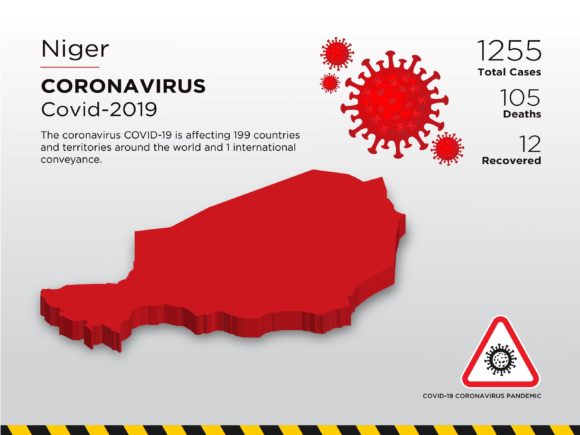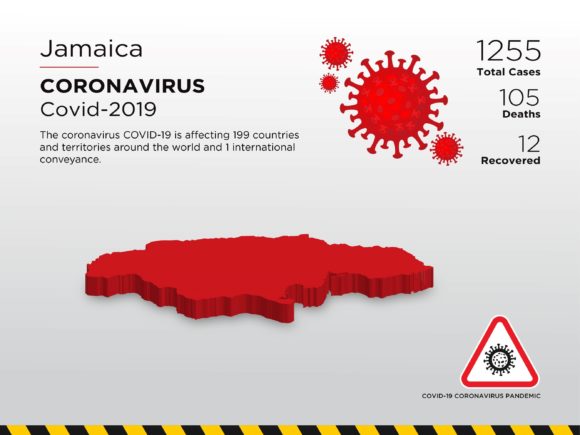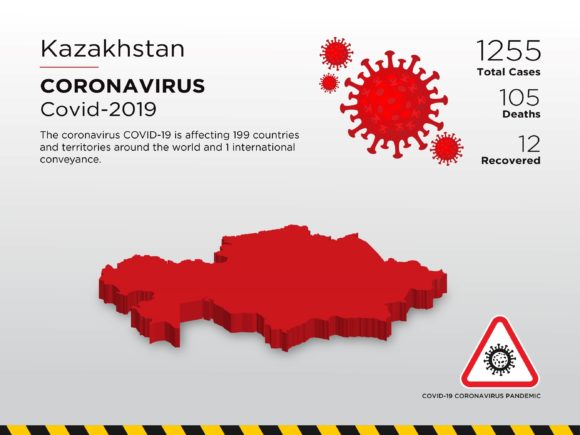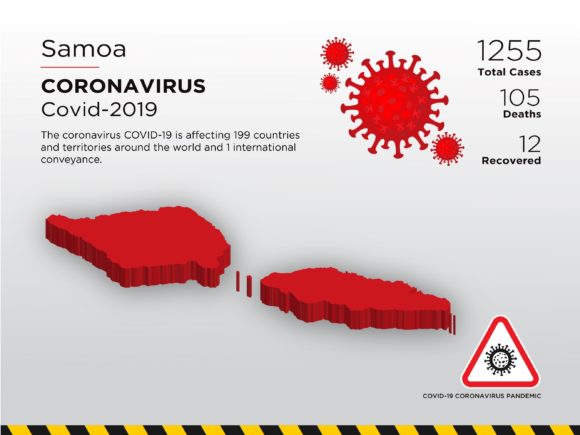
Visualizing the Global Impact: The Power of Vietnam Affected Country 3D Map in Pandemic Communication
In an era where information travels faster than any virus, the way we visualize data has become just as critical as the data itself. When the world faced the unprecedented challenge of the Coronavirus pandemic, static charts and two-dimensional graphs often failed to convey the sheer scale and urgency of the situation. This is where advanced design assets, specifically the Vietnam Affected Country 3D Map, play a pivotal role in bridging the gap between complex statistics and public understanding.
Design templates that incorporate 3D mapping are not merely aesthetic choices; they are functional tools for crisis communication. By transforming raw numbers into immersive visual experiences, these designs help governments, health organizations, and media outlets deliver messages about quarantine protocols, stay-at-home orders, and recovery rates with maximum impact.
The Evolution of Infographics in Crisis Management
Gone are the days when a simple pie chart sufficed to explain a global outbreak. Modern audiences demand dynamic, engaging content that can be consumed quickly on social media feeds. The Affected Country 3D Map of Coronavirus Infographics Design Template represents a significant leap forward in this evolution. It moves beyond flat illustrations to create a sense of depth and reality that draws the viewer in immediately.
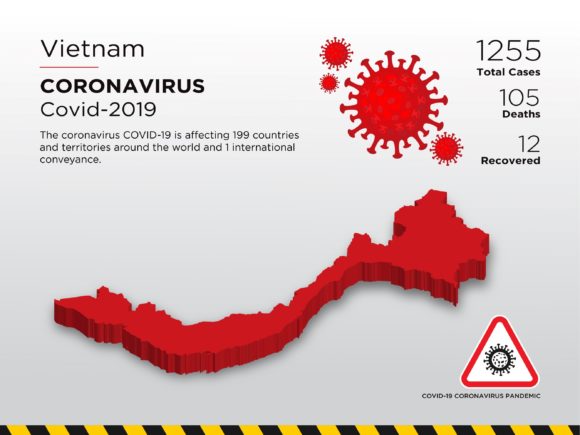
When discussing the Vietnam Affected Country 3D Map, we are looking at a specific yet adaptable component of this broader design philosophy. Vietnam's unique geographical shape and its response to the pandemic made it a focal point for many Asian news outlets. A 3D representation allows viewers to see the contours of the country, the density of affected areas, and the spread of the virus in a way that feels tangible. This tactile quality enhances memory retention, ensuring that critical safety messages stick with the audience long after they scroll past the post.
Key Features of High-Impact Pandemic Design Templates
To effectively communicate the gravity of a global pandemic, a design template must possess several essential qualities. The product in question offers a comprehensive suite of features designed to meet these exacting standards.
- Three-Dimensional Visualization: The core strength lies in the 3D rendering. Unlike flat vector art, 3D maps provide spatial context. They allow designers to highlight specific regions within Vietnam or other nations, showing how infection rates vary across different provinces or cities.
- Comprehensive Data Representation: A successful infographic must tell the full story. These templates are built to display total cases, deaths, and recovered peoples simultaneously. This triad of data points is crucial for the public to understand the mortality rate versus the recovery rate, providing a balanced view of the crisis.
- Social Media Optimization: In the digital age, a banner must work on Instagram, Facebook, Twitter, and LinkedIn. The design includes formats specifically tailored for social media posts, ensuring that the message remains clear whether viewed on a large desktop monitor or a small smartphone screen.
- Global Vector Flat Illustration Style: While the map is 3D, the supporting elements—such as icons representing medical masks, syringes, and handwashing—are rendered in a clean, flat vector style. This contrast ensures readability and maintains a modern, professional look that aligns with current design trends.
Practical Applications for Modern Workflows
Who exactly needs a tool like the Vietnam Affected Country 3D Map? The answer spans a wide range of industries and activities. From local community groups organizing relief efforts to international NGOs coordinating global aid, the utility of these assets is vast.
Consider a scenario where a regional health department needs to announce a new lockdown measure. Creating a custom graphic from scratch takes time and requires specialized skills. However, using a pre-designed template that already features a high-quality 3D map of Vietnam allows them to focus on the message rather than the mechanics of the design. They can simply overlay their specific data points onto the existing structure.
This efficiency is vital during a fast-moving outbreak. Time is of the essence. If a spike in cases occurs in a specific district, officials need to issue warnings immediately. With a flexible EPS and JPEG file set, designers can quickly update the numbers, change the color coding to reflect rising danger levels, and publish the alert within minutes.
Beyond government use, marketing agencies and content creators leverage these templates to produce educational campaigns. For instance, a campaign promoting "Stay at Home" initiatives can use the 3D map to visually demonstrate how staying home reduces the spread across the country's borders. The visual metaphor of a shielded 3D map reinforces the concept of protection and containment.
Understanding the Technical Specifications
For professionals who rely on precision, the technical details of the design files are just as important as the visual output. The inclusion of both EPS and JPEG formats provides unparalleled flexibility.
The EPS (Encapsulated PostScript) format is the gold standard for print and scalable graphics. It ensures that the 3D map and all accompanying vectors remain crisp and sharp, regardless of how large the poster is printed. Whether you are printing a billboard for a quarantine center or a flyer for a community board, the EPS file guarantees professional quality without pixelation.
Conversely, the JPEG format is optimized for digital delivery. These files are compressed for quick loading times on websites and social platforms while maintaining high resolution. This dual-format approach means users do not have to choose between print and digital; they get the best of both worlds in a single purchase.
The Psychology of Visual Data in Pandemics
Why does the Vietnam Affected Country 3D Map resonate so strongly with audiences? The answer lies in cognitive psychology. Humans are wired to process visual information faster than text. When we see a 3D map with red zones indicating high infection rates, our brains instantly recognize the threat level without needing to read a paragraph of statistics.
This immediate recognition triggers a behavioral response. It prompts people to check the news, verify the information, and take necessary precautions. The combination of a realistic 3D environment with clear, flat icons creates a balance between realism and clarity. It grounds the abstract concept of a "global pandemic" in a specific, relatable geography.
Furthermore, the inclusion of "Total Cases," "Deaths," and "Recovered Peoples" addresses the human need for closure and hope. Seeing the number of recovered individuals rise alongside the map provides a narrative of resilience. It prevents the visualization from becoming purely alarmist, instead offering a holistic picture of the situation.
Recommendations for Effective Usage
If you are considering integrating these design templates into your workflow, here are a few practical tips to maximize their potential.
- Maintain Accuracy: Always ensure that the data overlaid on the 3D map is sourced from reliable authorities. Misinformation spreads quickly, and a visually stunning but factually incorrect graphic can damage credibility.
- Use Color Strategically: Leverage the color-coding capabilities of the template. Use reds and oranges for active outbreaks and greens for recovered areas. Consistency in color usage helps audiences interpret the map intuitively.
- Contextualize the Message: Don't let the image speak alone. Pair the Vietnam Affected Country 3D Map with clear, concise calls to action. Tell the viewer exactly what they should do next, whether it is getting vaccinated, wearing a mask, or isolating.
- Adapt for Different Regions: While the template highlights Vietnam, the underlying design principles apply globally. You can adapt similar concepts for other countries by modifying the base map, making this a versatile asset for international campaigns.
Conclusion
The fight against the Coronavirus pandemic required more than just medical advancements; it demanded effective communication. We needed to translate complex, terrifying data into understandable, actionable insights. Tools like the Affected Country 3D Map of Coronavirus Infographics Design Template and the specific Vietnam Affected Country 3D Map serve as powerful bridges in this effort.
By combining the depth of 3D visualization with the clarity of flat vector illustrations, these designs empower creators to tell compelling stories about the outbreak. They facilitate better decision-making for policymakers and foster greater awareness among the general public. Whether you are designing a social media banner, a press release poster, or an internal report, having access to high-quality, editable assets is indispensable.
Thank you for exploring this resource. We hope that this product proves useful in your projects and contributes to the broader goal of spreading accurate, life-saving information. If you find value in these designs, please consider recommending them to others in your network. Your support helps us continue creating tools that matter in times of crisis.