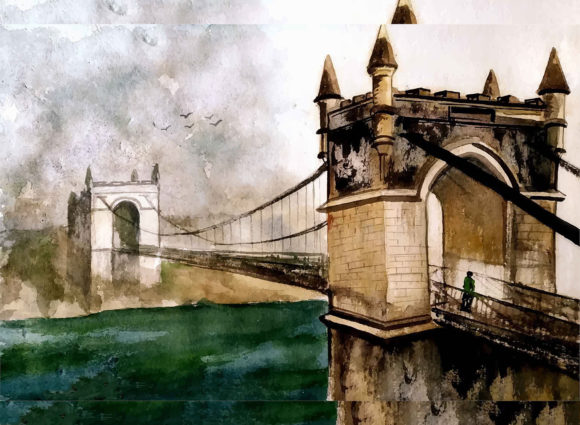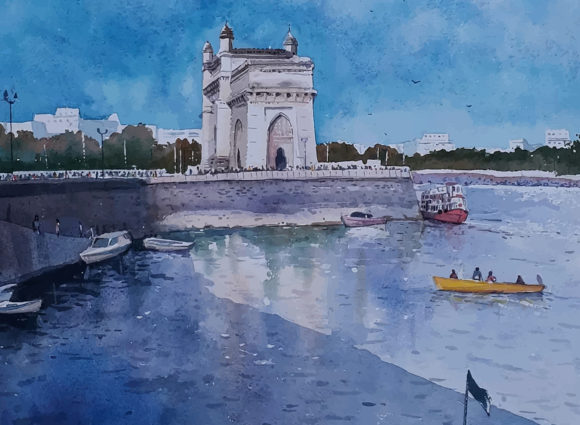
Hand Drawn Watercolor Boat, Ship, Speed: A Deep Dive into Artistic Assets for Modern Design
In the realm of digital and print design, finding imagery that balances organic texture with technical precision can be a significant challenge. This is where assets like the Hand Drawn Watercolor Boat, Ship, Speed collection emerge as a distinct option for professionals and hobbyists alike. Unlike standard stock photography or rigid vector illustrations, this specific design category combines the fluid, unpredictable nature of watercolor art with the scalability of high-quality vector files. For adults aged 20 to 50 who are evaluating resources for branding, editorial work, or personal projects, understanding the nuances of this medium is essential for making an informed choice.
Understanding the Unique Hybrid Nature of Watercolor Vectors
The core appeal of a Hand Drawn Watercolor Boat, Ship, Speed asset lies in its hybrid composition. Traditional watercolor paintings are beloved for their soft edges, color bleeding, and unique texture, but they are inherently raster-based. Once scanned, they lose resolution when enlarged, making them unsuitable for large-format printing or responsive web design. Conversely, standard vector graphics offer infinite scalability but often lack the "human touch" that gives art character.
This specific design solution bridges that gap. By rendering a hand-drawn aesthetic within a vector format, designers gain the ability to manipulate the image without losing quality. The result is a depiction of maritime themes—boats, ships, and the concept of speed—that feels authentic and artistic while remaining technically robust. The inclusion of a 3D realistic element adds another layer of depth, allowing the flat illustration to pop with dimensionality that mimics light and shadow found in physical media.
The Technical Specifications Behind the Art
When evaluating a pack described as containing 100 Vector Files, it is important to understand what that actually entails for a workflow. A comprehensive set typically includes:
- EPS Format: This is the industry standard for editable vector data. It allows designers to open the file in software like Adobe Illustrator or CorelDRAW, ungroup elements, recolor individual parts of the boat, or adjust the speed lines without pixelation.
- JPEG Version: While vectors are preferred for editing, having a ready-to-use JPEG ensures compatibility across all platforms. This version is optimized for immediate use in presentations, social media posts, or quick mockups where editing is not required.
- Single Version Structure: The description mentions a single version included in the pack. In the context of design assets, this usually refers to a cohesive style guide. Rather than offering ten different variations of a boat, the pack provides one highly refined, versatile design that can be adapted through scaling, coloring, and compositing.
This structure simplifies the decision-making process. Instead of sifting through hundreds of similar images, a designer receives a focused library of high-quality assets that share a consistent aesthetic language.
Comparing Watercolor Styles Against Alternatives
To determine if a Hand Drawn Watercolor Boat, Ship, Speed file is the right fit, it must be weighed against other common design approaches. The market offers several alternatives, each with its own strengths and limitations regarding cost, flexibility, and visual impact.
Photography vs. Hand-Drawn Illustration
Photography remains the most common source of maritime imagery. Real photos of boats capture exact details of hull textures, rigging, and water conditions. However, photography often carries legal restrictions regarding commercial usage, model releases, and location rights. Furthermore, a photograph is static; you cannot easily change the color of a ship's sail from blue to red without complex photo manipulation that may degrade image quality.
In contrast, a hand-drawn vector approach offers complete creative control. If a brand requires a specific shade of teal for their logo, the watercolor boat asset can be recolored instantly. The high quality 3D realistic aspect ensures that even after recoloring, the lighting and shadows remain consistent, maintaining the illusion of realism that photography provides but with the freedom of illustration.
Rigid Vector Graphics vs. Organic Watercolor
Standard corporate vector icons are clean, geometric, and efficient. They are excellent for user interfaces and small-scale navigation. However, they can feel sterile and cold in contexts requiring emotional resonance, such as travel brochures, nautical-themed merchandise, or lifestyle blogs. The Hand Drawn Watercolor style introduces imperfection and movement. The brush strokes suggest motion, which aligns perfectly with the theme of speed. When depicting a ship cutting through waves, the fluid lines of watercolor convey velocity better than sharp, angular geometric shapes.
Practical Applications and Best-Fit Scenarios
Given the versatility of these assets, identifying the right use case is crucial. The combination of artistic flair and technical utility makes this resource particularly valuable for specific industries and project types.
- Branding and Identity: Startups in the travel, logistics, or outdoor recreation sectors often seek logos that feel established yet modern. A watercolor boat design offers a unique identity that stands out against competitors using generic clipart or stock photos. The vector format ensures the logo scales perfectly from a business card to a billboard.
- Print Merchandise: The requirement that the files are very easy to just print is a significant advantage for product designers. Whether creating t-shirts, tote bags, or stationery, the high-resolution vector data ensures crisp prints without the need for expensive pre-press adjustments. The watercolor texture translates beautifully onto fabric and paper, adding a tactile feel to the final product.
- Editorial and Web Content: Bloggers and content creators looking to illustrate articles about sailing, ocean conservation, or summer vacations benefit from the unique aesthetic. These images break up text blocks more effectively than plain photography, drawing the reader's eye with their artistic composition.
Evaluating Tradeoffs and Limitations
While the benefits are substantial, no single asset type is perfect for every situation. It is vital to acknowledge the tradeoffs involved in choosing a Hand Drawn Watercolor Boat, Ship, Speed design over other options.
Stylistic Consistency: The primary limitation is stylistic rigidity. If a project requires a hyper-realistic, photorealistic rendering of a specific historical vessel, a stylized watercolor vector will not suffice. The "hand-drawn" nature implies an interpretation rather than a literal reproduction. Designers must ensure this artistic interpretation aligns with the project's tone. If the goal is documentary accuracy, photography or 3D modeling is superior.
File Management: While a 100 Vector File Pack sounds extensive, the value depends on the variety within those files. If the pack contains 100 slight variations of the same boat, it may be less useful than a smaller pack of diverse vessels (e.g., a rowboat, a yacht, and a cargo ship). Users should verify that the pack offers enough variety to support their specific narrative needs before committing.
Software Requirements: To fully utilize the EPS and vector capabilities, users must have access to professional vector editing software. While the JPEG versions are accessible to anyone, the true power of the asset—recoloring, resizing, and deconstructing the layers—is locked behind a learning curve for beginners. This is a consideration for solo entrepreneurs or small teams without dedicated graphic design staff.
Decision Factors for the Modern Designer
Ultimately, the choice to acquire a Hand Drawn Watercolor Boat, Ship, Speed asset comes down to the specific goals of the project. Is the priority speed of production, or is it the uniqueness of the visual output? For designers who value efficiency, the ready to use nature of the JPEG combined with the editability of the EPS offers a compelling workflow. It eliminates the time-consuming process of tracing images or hunting for licensed photography.
Furthermore, the emphasis on high quality 3D realistic features suggests a move away from flat, dated clipart trends. Modern audiences are accustomed to rich, textured visuals. An asset that mimics the complexity of real-world lighting and water dynamics while retaining the charm of a sketch satisfies the contemporary demand for authenticity.
However, if the project demands strict adherence to a minimalist aesthetic or requires precise engineering diagrams, this artistic style may be too decorative. The decision rests on balancing the desire for artistic expression with the functional requirements of the medium. For those seeking a blend of both—a design that looks hand-crafted but behaves like a digital tool—this specific collection represents a strong candidate for evaluation.
In summary, the Hand Drawn Watercolor Boat, Ship, Speed package serves as a versatile bridge between traditional art and modern digital demands. By offering a structured yet flexible resource, it empowers users to create visually engaging content without compromising on technical standards. Whether for a new startup logo or a printed marketing campaign, the ability to combine organic texture with scalable precision remains a powerful asset in the designer's toolkit.