Watercolor Hand Drawn Scenic Bridge Town: A Comprehensive Evaluation for Design Professionals
In the realm of digital design and artistic illustration, few styles capture the imagination quite like a Watercolor Hand Drawn Scenic Bridge Town. This specific aesthetic combines the organic fluidity of watercolor techniques with the structural charm of architectural landscapes, often centering on iconic bridge structures within bustling or serene towns. For designers, illustrators, and content creators aged 20 to 50, understanding the nuances of this style is crucial when selecting assets that convey authenticity, nostalgia, and high-quality craftsmanship.
Unlike generic clip art or rigid vector illustrations, a true hand-drawn watercolor approach brings a sense of imperfection and humanity to digital projects. When evaluating a resource described as a High Quality Hand Drawn Vector file, it is essential to look beyond the surface image and consider the technical specifications, versatility, and practical application of the asset. This article explores what makes this style distinct, how it compares to other digital formats, and helps you determine if a specialized pack containing a single EPS, two JPEGs, and one version is the right fit for your workflow.
The Distinctive Nature of Watercolor Architecture
The appeal of a Watercolor Hand Drawn Scenic Bridge Town lies in its ability to simulate traditional media while offering the flexibility of digital tools. Traditional watercolor painting is characterized by bleeding edges, varying pigment densities, and unpredictable textures. Translating this into a digital format requires a sophisticated approach to maintain that "hand-made" feel without sacrificing clarity.
When you encounter a product marketed as 3D Realistic yet maintaining a hand-drawn quality, it suggests a hybrid technique. These designs often utilize advanced rendering software to create depth and lighting effects that mimic real-world physics, but they are textured to look like brushstrokes on paper. This distinction is vital for projects requiring an emotional connection, such as travel blogs, boutique branding, or educational materials about local history.
The inclusion of a scenic bridge town adds a layer of narrative complexity. Bridges symbolize connection, transition, and community, making them powerful visual metaphors. Unlike abstract patterns or isolated objects, a town scene provides context. It allows viewers to visualize a location, evoking feelings of wanderlust or familiarity. This contextual richness is a primary differentiator between these assets and standard icon sets or flat illustrations.
Evaluating the Format: The Power of Vector Files
A critical factor in your decision-making process is the file format. The description mentions a 100 Vector File Pack which includes a single EPS file. Understanding the implications of an EPS (Encapsulated PostScript) file is necessary for any professional looking to scale their work.
- Scalability: The primary advantage of a vector file is infinite scalability. Whether you are printing a small business card or a massive outdoor billboard, the Watercolor Hand Drawn Scenic Bridge Town design remains crisp. Raster images, such as standard JPEGs, lose quality when enlarged, showing pixelation or blurriness.
- Editability: An EPS file allows professionals to modify individual elements within the illustration. You can change colors to match brand guidelines, isolate the bridge from the background, or adjust the opacity of the watercolor washes. This level of control is impossible with a flattened raster image.
- Print Readiness: The requirement that the file is Very Easy to Just Print indicates high-resolution output standards. Professional printers rely on vector data or high-DPI raster data to ensure color accuracy. A dedicated vector file ensures that the subtle gradients of the watercolor effect translate perfectly onto physical media.
However, it is important to note the trade-offs. While the EPS offers superior editing capabilities, it requires specific software like Adobe Illustrator or CorelDRAW to fully utilize. If your workflow relies heavily on web-only tools or basic photo editors, the learning curve might be steeper compared to using pre-flattened JPEGs.
Comparing Styles: Digital Precision vs. Organic Artistry
When choosing between a Watercolor Hand Drawn Scenic Bridge Town and other design options, the choice often comes down to the desired atmosphere and the target audience. Let's compare this style against common alternatives found in the design market.
Flat Vector Illustrations
Flat vector art is popular for modern UI/UX design and corporate presentations due to its clean lines and simplicity. However, it often lacks the emotional depth and texture of watercolor. If your goal is to create a sleek, minimalist interface, flat art is superior. But if you aim to evoke warmth, heritage, or a storybook quality, the Hand Drawn watercolor style is unmatched. The organic nature of the watercolor effect prevents the design from feeling sterile or overly manufactured.
Raster Photography
Real photographs offer undeniable realism, but they come with limitations regarding customization. You cannot easily change the weather, the time of day, or the architecture in a photograph without extensive manipulation. A High Quality Hand Drawn Vector file of a bridge town offers a curated reality. It captures the essence of a scene without the distractions of unwanted background elements or inconsistent lighting found in stock photography. Furthermore, vector files are generally smaller in size than high-resolution RAW photos, aiding in faster web loading times.
Digital Painting (Raster-based)
Digital paintings created in programs like Procreate or Photoshop can mimic watercolor beautifully. However, they are typically raster-based. Once saved, they are fixed at a specific resolution. If you need to use the same image across various print sizes, you may find yourself needing multiple versions. A vector-based approach solves this by providing a single source file that adapts to any dimension, ensuring the 3D Realistic qualities remain intact regardless of scale.
Understanding the Asset Package Structure
The specific composition of the asset pack—1 Eps, 2 JPEG, 1 Version—warrants a closer look. At first glance, the quantity seems modest, especially when contrasted with packs containing hundreds of files. However, quality often trumps quantity in professional design.
The inclusion of 1 Eps confirms the core value proposition: a master vector file. This is the working document that allows for adaptation. The 2 JPEG files likely serve as quick-reference previews or ready-to-use raster versions for users who do not have vector editing software. These are useful for social media posts, email newsletters, or quick drafts where file size is a concern.
The mention of 1 Version suggests a focused design rather than a sprawling collection of variations. In some contexts, having too many options can lead to "analysis paralysis." A single, highly refined version of a Watercolor Hand Drawn Scenic Bridge Town ensures consistency. It forces the designer to make the most of one excellent concept rather than diluting effort across multiple mediocre ones. This is particularly beneficial for branding, where a cohesive visual identity is paramount.
Decision Factors: When to Choose This Style
Selecting the right asset depends heavily on your specific project requirements. Here are scenarios where a Watercolor Hand Drawn Scenic Bridge Town is the optimal choice, alongside situations where another option might be more appropriate.
Ideal Use Cases:
- Travel and Tourism Marketing: The romanticized view of a bridge town appeals directly to travelers seeking authentic experiences. The watercolor style softens the image, making destinations appear inviting and accessible.
- Editorial and Publishing: Book covers, magazine articles, and blog headers benefit from the artistic flair of hand-drawn elements. They stand out against text-heavy layouts and add a touch of elegance.
- Branding for Artisan Businesses: Coffee shops, craft breweries, and boutique hotels often use this style to communicate tradition, craftsmanship, and a human-centric approach.
- Print-on-Demand Products: Since the file is designed to be Very Easy to Just Print, it is perfect for t-shirts, mugs, and posters where high-resolution reproduction is non-negotiable.
Alternative Situations:
- High-Tech or Corporate Environments: If you are designing for a fintech startup or a medical device company, the whimsical nature of watercolor might undermine the message of precision and reliability. In these cases, clean geometric vectors or professional photography would be more effective.
- Dynamic Web Interfaces: For websites requiring frequent updates or interactive elements, static vector images might lack the engagement of animated GIFs or video content. While the vector file is scalable, it does not inherently move or react to user input.
- Budget-Constrained Projects: While the price per asset might be reasonable, the cost of acquiring the necessary software to edit an EPS file could be a barrier for hobbyists or students. In such cases, purchasing a pre-rendered PNG or JPEG bundle might be more practical.
Assessing Quality and Technical Performance
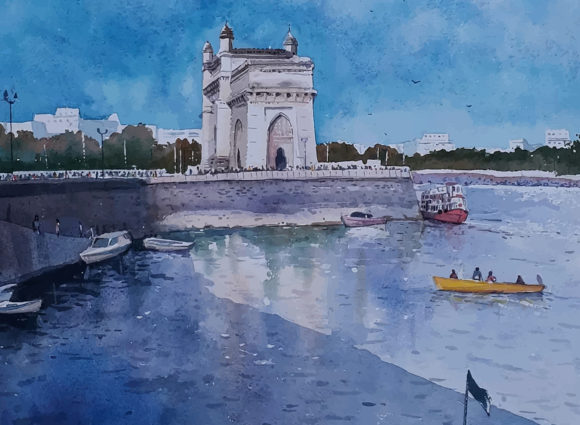
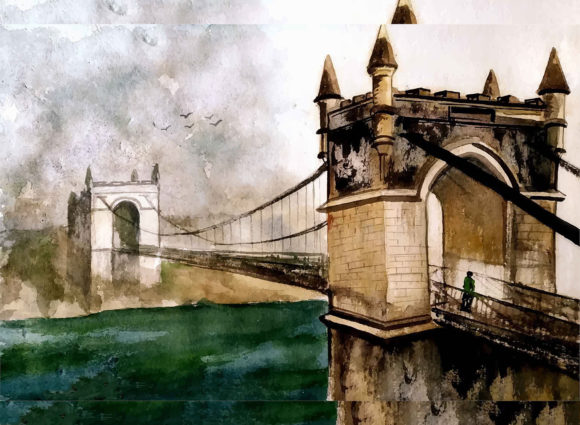
The term 3D Realistic in the context of a hand-drawn style can sometimes be misleading. True 3D modeling creates volume through geometry, whereas hand-drawn styles create volume through shading and perspective. A high-quality asset successfully blends these concepts. The shadows under the bridge arches, the reflection of light on the water, and the atmospheric perspective of distant buildings should all contribute to a sense of depth.
When evaluating the High Quality Hand Drawn Vector file, check for smooth curves and logical layer organization. Poorly constructed vectors will have jagged edges or messy anchor points, which become visible upon zooming in. The watercolor texture should appear integrated into the vector paths, not just overlaid as a separate image. This integration is what ensures the final output looks authentic and not like a cheap sticker placed over a digital drawing.
Furthermore, the versatility of the design is key. Does the color palette allow for easy recoloring? Can the bridge be isolated from the town background? These factors determine whether the asset is a flexible tool or a rigid decoration. A well-designed vector file empowers the creator to adapt the Watercolor Hand Drawn Scenic Bridge Town to suit diverse needs, from monochromatic logos to full-color brochures.
Conclusion on Selection and Application
Ultimately, the decision to acquire a Watercolor Hand Drawn Scenic Bridge Town asset boils down to the balance between aesthetic goals and technical requirements. If your project demands a blend of artistic warmth and professional scalability, this style offers a compelling solution. The combination of a master EPS file with supporting JPEGs provides a robust workflow for both print and digital applications.
While it may not be the universal solution for every design challenge, its strengths in creating emotional resonance and visual storytelling are significant. By understanding the differences between this style and others, and by carefully evaluating the file structure, designers can make informed choices that enhance their creative output. Whether used for a personal passion project or a commercial enterprise, the unique character of a hand-drawn bridge town can elevate a design from ordinary to exceptional.
For those willing to invest in the quality of their visuals, the High Quality Hand Drawn Vector file represents a valuable resource. It bridges the gap between traditional artistry and modern digital utility, offering a timeless aesthetic that continues to resonate with audiences across various demographics. As you explore your options, remember that the best asset is not always the largest pack, but the one that perfectly aligns with your vision and technical capabilities.