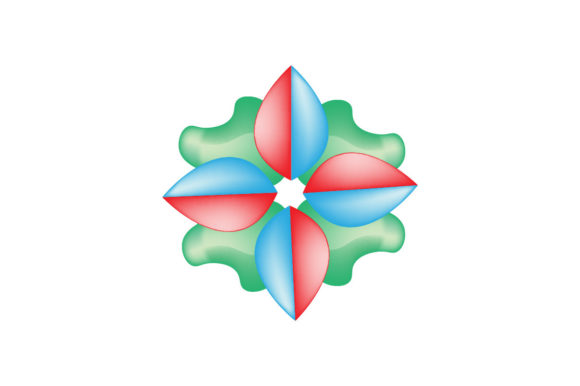
Simple Flower 3D Color Mandala Illustrat
If you have ever scrolled through a design portfolio or tried to find the perfect background for a meditation app, you might have stumbled upon something that feels both intricate and surprisingly accessible. This is where the Simple Flower 3D Color Mandala Illustrat comes into play. It isn't just a decorative pattern; it is a versatile visual tool that bridges the gap between complex geometric art and clean, modern aesthetics. By combining the organic softness of floral shapes with the mathematical precision of mandalas and adding a touch of three-dimensional depth, this illustration style offers a unique solution for creators who want to add warmth without clutter.
The term "Simple Flower" in this context refers to the core motif: recognizable petals and centers that are not overly ornate. When paired with a 3D color mandala illustration vector design shape, these elements gain volume and presence. The result is an image that pops off the screen or paper, drawing the eye immediately but remaining calm enough to serve as a background rather than a distraction. For professionals and hobbyists alike, understanding how to leverage this specific type of graphic can transform a flat project into something engaging and professional.
Why This Visual Style Resonates with Modern Audiences
In a digital landscape saturated with high-contrast neon graphics and stark minimalism, there is a growing craving for balance. People are tired of harsh lines and cold colors. The Simple Flower 3D Color Mandala Illustrat addresses this by offering a sense of harmony. The mandala structure inherently suggests unity and wholeness, while the 3D coloring adds a layer of tactile realism that flat vectors often lack. This combination triggers a psychological response of comfort and focus, which is why it has become so popular in wellness and lifestyle sectors.
For entrepreneurs and small business owners, this aesthetic is a goldmine. Imagine a coffee shop owner looking to redesign their loyalty cards. A generic logo might feel corporate, but a subtle 3D flower mandala integrated into the corner creates an atmosphere of relaxation before the customer even takes a sip. It signals that the brand cares about the experience, not just the transaction. Similarly, educators can use these images to make learning materials less intimidating. A math worksheet featuring a colorful, 3D mandala at the top can make a difficult subject feel more approachable for students, turning a mundane task into a visually pleasing activity.
Practical Applications Across Different Industries
The versatility of this design element lies in its ability to adapt to various contexts without losing its identity. Let's look at how different users actually apply the simple flower 3d color mandala illustration vector design shape in their daily work.
- Digital Content Creators and Bloggers: If you run a blog about mindfulness, travel, or home decor, your headers need to stand out. Instead of using stock photos of people smiling, try integrating a Simple Flower 3D Color Mandala Illustrat as a featured image. The 3D effect ensures it looks good on high-resolution mobile screens, while the simple floral theme keeps the load time fast if optimized correctly. It serves as a visual anchor that tells readers exactly what kind of content to expect.
- Freelance Marketers: When designing social media campaigns for seasonal promotions, such as spring sales or holiday greetings, standard templates often look repetitive. Using a custom vector shape allows marketers to create unique assets quickly. A 3D mandala can be easily animated for Instagram stories or used as a watermark for video content, adding a layer of brand consistency that feels premium yet playful.
- Print Designers and Publishers: In the world of print, texture is king. Even though a vector file is digital, the 3D rendering simulates light and shadow that translates beautifully to physical paper. Book covers for self-help novels, greeting cards, and packaging for artisanal products like soaps or teas benefit immensely from this style. The depth created by the 3D coloring makes the product look tangible and valuable on a crowded shelf.
- Hobbyists and Crafters: For those who enjoy Cricut machines, laser cutting, or embroidery, having access to a clean vector design is essential. A Simple Flower 3D Color Mandala Illustrat provides a clear outline that machines can follow, while the color layers help designers visualize the final product before cutting. It eliminates the guesswork involved in translating a complex idea into a physical craft.
Navigating the Technical Aspects
When you decide to incorporate this design into your projects, it is crucial to understand the difference between a raster image and a vector file. The mention of "vector design shape" in the title is significant because it dictates scalability. Unlike a JPEG, which pixelates when enlarged, a vector file maintains its crisp edges regardless of size. This means you can take a simple flower 3d color mandala illustration intended for a business card and scale it up to a billboard without losing quality.
However, the "3D" aspect requires careful handling. True 3D illustrations can sometimes be heavy on processing power if used directly in web browsers. Smart users know to optimize these files. For web use, converting the vector to SVG format preserves the quality while keeping file sizes manageable. For print, ensuring the color mode is set to CMYK prevents the vibrant colors from looking dull on paper. Understanding these technical nuances separates a professional output from a amateur one.
Choosing the Right Variation for Your Needs
Not all mandalas are created equal. Before downloading or purchasing a design, consider the emotional tone you wish to convey. Some variations of the Simple Flower 3D Color Mandala Illustrat lean towards cool tones like blues and greens, evoking a sense of calm and nature. Others utilize warm oranges, reds, and yellows to create energy and excitement. If you are designing for a yoga studio, the cooler palette is likely the better choice. If you are promoting a creative workshop for kids, the warmer, brighter version will resonate more.
Additionally, pay attention to the complexity of the lines. While the term "simple" suggests ease, some designs still contain intricate details that might get lost when printed on small items like stickers or pens. Always preview the design at the actual size you intend to use it. If the fine details blur, you may need to simplify the vector path or choose a version with bolder strokes. The goal is to maintain the integrity of the 3D effect without overwhelming the viewer.
Maximizing Value Through Customization
One of the greatest advantages of working with vector-based mandalas is the potential for customization. You are not stuck with the original color scheme. Because the shapes are defined by paths, you can easily swap out the gradients or adjust the lighting effects to match your brand guidelines. For instance, a tech startup could take a floral mandala and recolor it with metallic silvers and deep blacks to give it a futuristic, sleek look. Conversely, a children's book illustrator might brighten the hues to create a whimsical atmosphere.
This flexibility extends to composition as well. You don't always have to use the full circle. Sometimes, cropping a section of the simple flower 3d color mandala illustration vector design shape to create a repeating border or a subtle watermark adds a sophisticated touch to documents and presentations. It allows you to integrate the design seamlessly without it dominating the text or other content.
Making the Most of Your Creative Resources
Ultimately, the value of the Simple Flower 3D Color Mandala Illustrat lies in its ability to solve visual problems efficiently. Whether you are trying to reduce anxiety in a user interface, add a touch of elegance to a wedding invitation, or simply make a PowerPoint presentation more engaging, this design element offers a reliable solution. It respects the viewer's time by being beautiful yet unobtrusive, and it respects the creator's workflow by being easy to manipulate and scale.
As you explore resources online, keep these practical applications in mind. Don't just download a file because it looks pretty; think about where it fits in your broader strategy. How does it support your message? Does it enhance the user experience? When you approach graphic assets with this level of intentionality, you move beyond mere decoration and start creating meaningful connections with your audience. The next time you need a visual element that balances structure and fluidity, remember that the right mandala can do more than fill space—it can elevate the entire project.