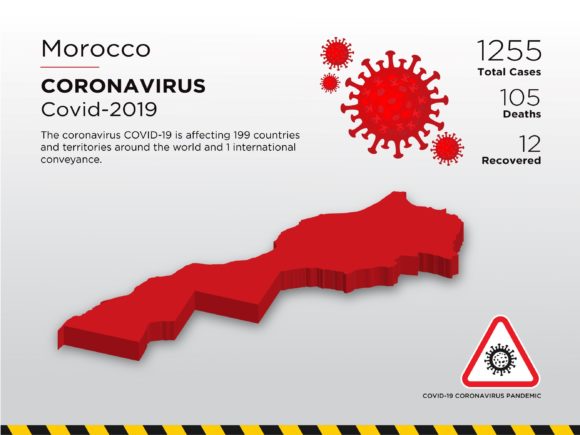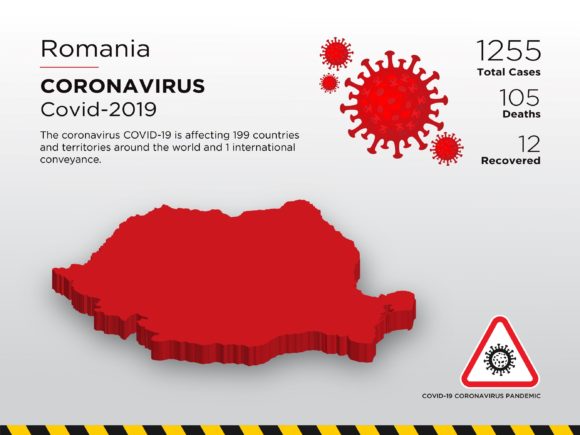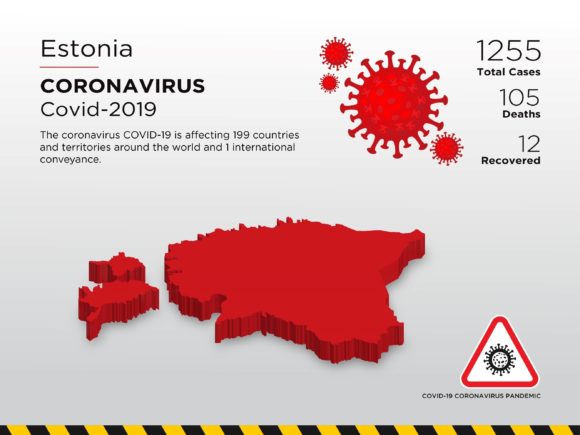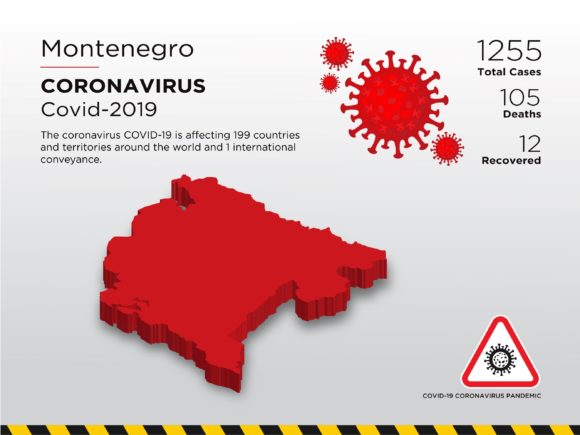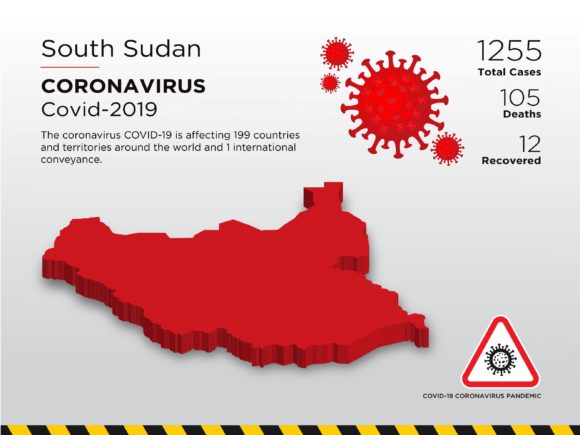
Understanding the South Sudan Affected Country 3D Map for Pandemic Visualization
In the landscape of data visualization and public health communication, the South Sudan Affected Country 3D Map represents a specific approach to presenting complex epidemiological information. Unlike traditional flat charts or simple 2D geographic overlays, this design template utilizes three-dimensional rendering to create an immersive view of the pandemic's impact on the region. For professionals, researchers, and content creators tasked with communicating the severity of the coronavirus outbreak, choosing the right visual asset is critical. The decision often hinges on whether the goal is to convey raw statistical data or to evoke an emotional response regarding the global crisis.
This analysis explores the utility of the South Sudan Affected Country 3D Map within the broader context of infographic design. It evaluates how this specific template fits into workflows requiring high-impact social media banners, emergency posters, and educational materials. By examining its distinct features, limitations, and ideal use cases, stakeholders can determine if this resource aligns with their specific communication needs.
Distinguishing Features of the 3D Visualization Approach
The primary differentiator of the South Sudan Affected Country 3D Map lies in its depth and perspective. Traditional vector illustrations often rely on flat colors and simplified shapes to represent countries. In contrast, a 3D map introduces topographical elements that give the landmass a tangible presence. When applied to the context of the Coronavirus pandemic, this dimensionality serves a dual purpose: it anchors the abstract concept of "infection rates" to a physical location, making the threat feel more immediate and real.
The template typically integrates key metrics such as total cases, deaths, and recovered individuals directly into the visual composition. These figures are not merely listed in a sidebar; they are woven into the design, often accompanied by icons representing quarantine measures, stay-at-home advisories, and global pandemic vectors. This integration ensures that the viewer grasps the scope of the situation at a glance. The inclusion of a global pandemic vector flat illustration further contextualizes South Sudan's situation within the worldwide crisis, preventing the data from appearing isolated.
Furthermore, the design supports various formats suitable for digital distribution. Whether intended for a mobile-friendly social media post banner or a large-format poster, the 3D aspect allows for dynamic scaling. The lighting and shadow effects inherent in 3D rendering add a layer of sophistication that flat designs sometimes lack, potentially increasing engagement rates when shared across platforms like Facebook, Twitter, or LinkedIn.
Evaluating Alternatives and Design Categories
When selecting assets for pandemic communication, designers rarely have only one option. The market offers a wide array of styles, ranging from minimalist line art to photorealistic 3D models. Understanding where the South Sudan Affected Country 3D Map sits relative to these alternatives helps in making an informed choice.
- Flat Vector Illustrations: These are lightweight, load quickly, and are highly customizable. They are excellent for technical reports where clarity trumps aesthetics. However, they may struggle to convey the gravity of a humanitarian crisis compared to the dramatic flair of 3D renders.
- Photorealistic Maps: While visually stunning, these often require heavy processing power and can be difficult to edit without specialized software. They are less flexible for quick updates to statistics.
- Data Dashboards: Interactive tools offer real-time data but lack the static, shareable nature of a designed infographic. A static image is often more effective for viral social media campaigns where users cannot interact with the graphic.
The South Sudan Affected Country 3D Map occupies a middle ground. It offers the visual impact of 3D rendering while maintaining the structural flexibility of a vector-based design (typically available in EPS and JPEG formats). This balance makes it particularly suitable for organizations that need professional-grade visuals without the overhead of building a custom 3D scene from scratch.
Strengths, Tradeoffs, and Practical Application
Adopting the South Sudan Affected Country 3D Map involves weighing several factors. Its greatest strength is its ability to capture attention. In a crowded news feed, a 3D-rendered map with clear typography for "Total Cases" and "Recovered Peoples" stands out against standard text posts. The inclusion of specific concepts like quarantine and stay-at-home banners adds a layer of urgency that is essential for public health messaging.
However, there are tradeoffs to consider. One limitation of pre-made 3D templates is the potential rigidity in data presentation. If the number of cases changes rapidly, updating a static 3D image requires re-exporting the file or using photo editing software, which can be time-consuming compared to updating a dynamic chart. Additionally, the file size of high-resolution 3D assets can be larger than flat vectors, which might affect loading speeds on slower internet connections common in some regions affected by the pandemic.
Another consideration is the level of customization required. While the template includes files in EPS (for scalable editing) and JPEG (for immediate use), users must ensure they have the necessary software to modify the 3D elements effectively. Those working strictly in web-based editors or basic mobile apps may find the full potential of the EPS file inaccessible, limiting them to the provided JPEG version.
Decision Factors: When to Choose This Template
To determine if the South Sudan Affected Country 3D Map is the right tool for your project, consider the following scenarios:
- Social Media Awareness Campaigns: If the goal is to raise awareness about the specific impact on South Sudan through shareable images, the 3D aesthetic provides the necessary visual hook. The "Coronavirus Post Infographics Design" aspect of the template is optimized for this environment.
- Emergency Briefings and Posters: For physical posters displayed in clinics, community centers, or offices, the high-contrast 3D elements ensure readability from a distance. The clear distinction between affected areas and recovery zones aids in quick comprehension.
- Educational Presentations: When explaining the spread of the virus to students or trainees, a 3D map offers a more engaging narrative device than a flat list of numbers. It helps visualize the "global pandemic" context mentioned in the design.
Conversely, this template may not be the best fit for:
- Real-Time Data Monitoring: If you need to update statistics hourly, a live dashboard or a simple spreadsheet is more appropriate than a static infographic.
- Technical Medical Reports: Academic papers or clinical studies often require strict adherence to flat, standardized graphing conventions to avoid any perception of sensationalism.
- Low-Bandwidth Environments: If the target audience has limited internet access, a lightweight SVG or PNG version might be preferable to a heavy 3D render.
Navigating the Design Ecosystem
The effectiveness of any infographic relies heavily on the harmony between the visual style and the message. The South Sudan Affected Country 3D Map excels when paired with messages focused on solidarity, caution, and preparedness. The inclusion of "Quarantine" and "Stay at Home" icons within the 3D layout reinforces the call to action. It transforms a geographical representation into a behavioral guide.
For designers evaluating options, the availability of both EPS and JPEG formats is a significant advantage. The EPS format allows for deep customization, enabling users to change color schemes to match organizational branding or adjust the scale of the 3D elements. The JPEG format provides an immediate solution for urgent deadlines where editing capabilities are not available. This duality addresses the needs of both professional graphic designers and general content managers.
Ultimately, the value of the South Sudan Affected Country 3D Map lies in its ability to synthesize complex data into a compelling visual story. It bridges the gap between dry statistics and human emotion, making the abstract reality of a pandemic concrete. By carefully considering the strengths and limitations outlined above, users can leverage this resource to enhance their communication strategies, ensuring that vital information reaches the people who need it most.