Unlocking Versatility with a 3D SVG CRAFT FILE for Professional and Personal Projects
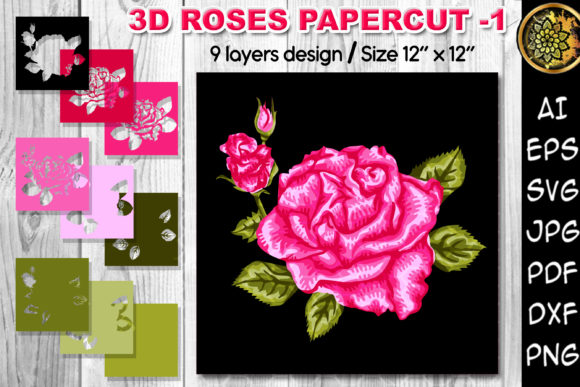
A 3D SVG CRAFT FILE represents more than just a digital asset; it is a strategic tool designed to bridge the gap between conceptual design and tangible reality. For entrepreneurs, creators, and hobbyists alike, the ability to translate complex three-dimensional concepts into precise two-dimensional vector data is a significant competitive advantage. This file format allows users to leverage the power of multilayered art design across a diverse array of materials, including card stock, wood, plastic, plywood, and MDF. By utilizing creative 3D multilayer designs, you are not merely cutting shapes; you are constructing depth, texture, and visual interest that flat designs simply cannot achieve.
The Strategic Value of Multilayer Art Design
In an era where attention is a scarce resource, the demand for unique, high-quality decor and personalized gifts has surged. A 3D SVG CRAFT FILE empowers you to meet this demand by enabling the creation of wall decor, home accents, and bespoke gifts that stand out in a crowded market. The core value lies in the "multilayer" aspect. Unlike standard cut files that produce a single flat silhouette, these files allow you to stack elements to create shadows, perspective, and physical depth. This technique transforms simple materials like plywood or card stock into sophisticated pieces of art.
For small business owners and freelancers, integrating this technology into your workflow can streamline production while elevating the perceived value of your products. Whether you are using a Cricut Explore for personal projects or industrial-grade plotters for commercial manufacturing, the precision of vector-compatible software ensures consistency. You can produce items ranging from intricate geometric patterns to detailed landscape scenes, all derived from a single digital source. This flexibility supports long-term branding goals by allowing you to maintain a distinct aesthetic across various product lines without reinventing the wheel for every new project.
Selecting the Right Materials for Your Vision
The versatility of the 3D SVG CRAFT FILE extends to the materials you choose to bring your designs to life. While the digital file remains constant, the final output changes based on the substrate. Here is how different materials interact with multilayer designs:
- Card Stock: Ideal for greeting cards, scrapbooking, and lightweight wall art. It offers a clean, crisp finish perfect for intricate details found in layered designs.
- Wood and Plywood: Provides a rustic or modern organic feel. When used for home decor, thicker plywood layers create substantial, durable pieces that serve as focal points in living spaces.
- MDF (Medium Density Fiberboard): Offers a smooth surface that is excellent for painting after cutting. This material is often preferred for professional-grade wall decor due to its stability and ease of finishing.
- Plastic and Acrylic: Adds a contemporary, glossy element to your designs. These materials reflect light differently, enhancing the 3D effect when stacked correctly.
Choosing the right material is a decision-making process that should align with your target audience and the intended use case. A gift for a loved one might benefit from the warmth of wood, whereas a corporate event backdrop might require the sleekness of acrylic.
Technical Compatibility and Workflow Efficiency
One of the primary advantages of acquiring a 3D SVG CRAFT FILE is the assurance of compatibility. You are purchasing a digital product that includes EPS, SVG, DXF, and PNG formats, ensuring seamless integration with virtually any vector-compatible software. This eliminates the friction often associated with converting file types, which can lead to lost details or broken paths.
The inclusion of specific formats caters to different user ecosystems:
- Silhouette Designer Edition: Perfect for users within the Silhouette ecosystem who need advanced layering capabilities.
- Cricut Explore: Optimized for the popular Cricut platform, allowing for immediate import and cutting without complex adjustments.
- Adobe Suite & Corel Draw: Essential for graphic designers and professionals who require full control over color, scaling, and path manipulation before export.
- Inkscape: A robust open-source option that provides powerful tools for editing and refining vector paths.
- DXF Files: Critical for CNC machines and laser cutters that rely on machine-readable coordinate data.
Additionally, the package includes a PNG File at 300 dpi on a transparent background. This is particularly useful for marketing purposes, allowing you to showcase your finished products in mockups, social media posts, and e-commerce listings without needing to photograph the physical item first. The transparency ensures that the image blends seamlessly into any background, maintaining professional quality.
Handling Digital Assets: Extraction and Preparation
It is crucial to understand that you are purchasing a digital product; no physical items will be shipped. To access the files, you must download a compressed ZIP archive. Once downloaded, the integrity of the files depends on proper extraction. Simply double-click the ZIP file to extract it using your operating system's built-in tools, or utilize specialized software like 7zip, WinZip, or WinRAR. Ensuring that the files are extracted to a dedicated folder prevents confusion and makes it easier to locate the specific format required for your chosen software. Skipping this step or extracting files to temporary folders can lead to errors during the cutting or printing process.
Strategic Application in Home Decor and Gifting
The application of 3D SVG CRAFT FILE designs goes beyond mere decoration; it serves as a medium for communication and emotional connection. When creating gifts for friends and loved ones, the thoughtfulness involved in designing a custom piece adds a layer of sentiment that mass-produced items lack. The ability to customize colors, sizes, and layering sequences allows you to tailor the message of the gift to the recipient.
For home decor, these files enable the creation of cohesive themes throughout a living space. Imagine a living room featuring a large-scale 3D wall art piece made from layered plywood, complemented by smaller accent pieces made from card stock. The consistency in design language creates a curated environment that reflects personal style. Furthermore, the durability of materials like MDF and wood means that these pieces are not just fleeting trends but lasting investments in your home's aesthetic.
Risks and Considerations for Intentional Use
While the potential of 3D SVG CRAFT FILE is immense, relying on it without clear goals or context can lead to suboptimal results. One common pitfall is ignoring the structural limitations of the chosen material. A design that works beautifully on thin card stock may fail if applied to thick wood without adjusting the spacing between layers. If the layers are too close together, they may not fit, or if they are too far apart, the 3D illusion may break down.
Another risk involves the complexity of the design relative to the user's skill level. Intricate multilayer designs require patience and precision during assembly. Rushing the process can result in misaligned layers, wasted materials, and frustration. Therefore, it is advisable to practice with inexpensive materials first to understand the behavior of the cuts and the stacking mechanics before committing to premium substrates.
Furthermore, consider the lighting conditions where the final piece will be displayed. 3D effects rely heavily on shadows and highlights. A design that looks stunning under direct spotlight might appear flat in ambient lighting. Strategic planning involves anticipating these environmental factors to ensure the artwork delivers the intended impact.
Maximizing Long-Term Value Through Planning
To truly leverage the power of a 3D SVG CRAFT FILE, adopt a mindset of intentional creation rather than random experimentation. Start by defining the objective: Is this for a commercial product line, a personal gift, or a home improvement project? Once the goal is clear, select the appropriate material and software. Plan the layer sequence carefully, considering the order of assembly and the visual hierarchy of the design.
Document your process. Keep notes on which materials worked best, what adhesives held the layers securely, and how the lighting affected the final look. This knowledge base becomes invaluable for future projects, allowing you to refine your techniques and improve efficiency over time. By treating each project as a learning opportunity, you transform a simple craft activity into a disciplined practice that yields better results.
Ultimately, the 3D SVG CRAFT FILE is a catalyst for creativity and innovation. Whether you are an entrepreneur looking to expand your product catalog, a marketer seeking unique promotional items, or a hobbyist wanting to express your artistic vision, this tool offers the flexibility and precision needed to succeed. By understanding the technical requirements, selecting the right materials, and approaching the design process with strategic intent, you can unlock a world of possibilities that elevate both your work and your workspace.