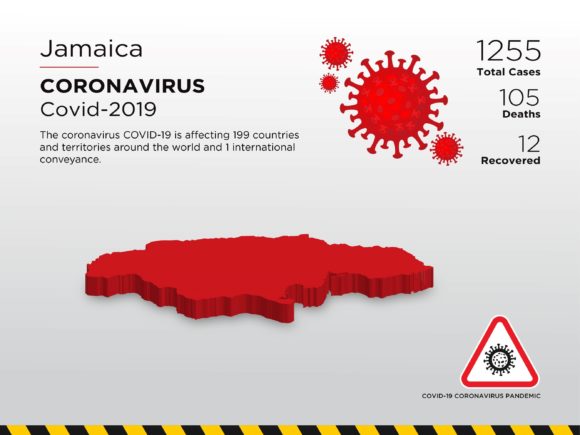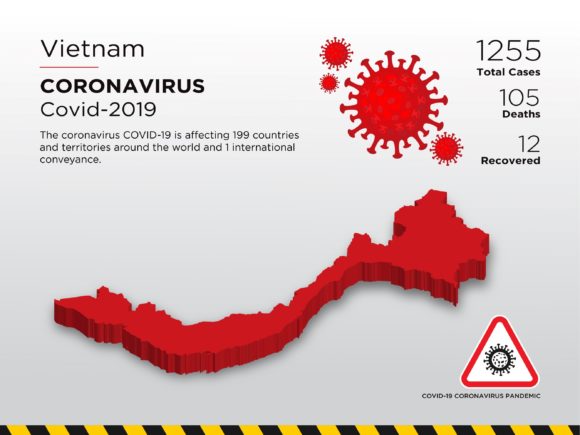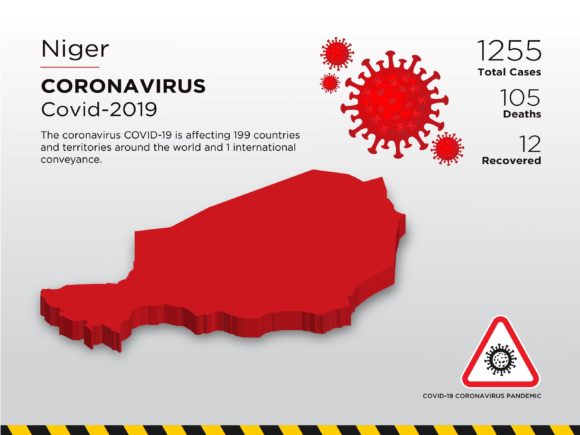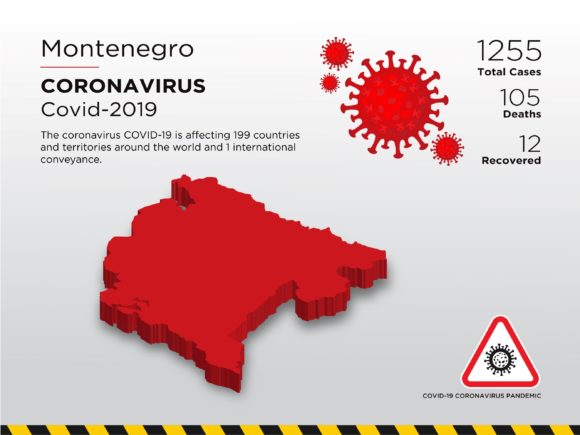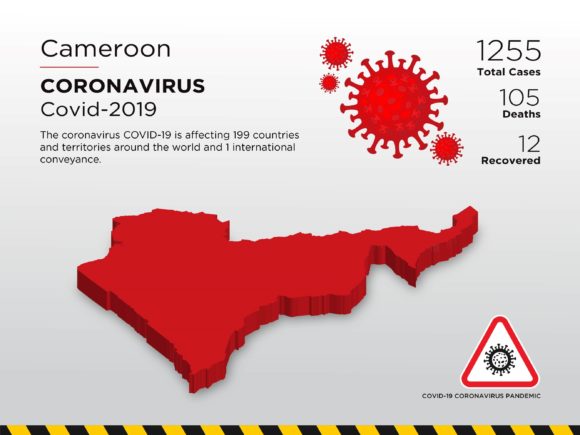
Cameroon Affected Country 3D Map: Visualizing the Pandemic for Better Communication
In an era where information travels faster than ever before, the ability to present complex data clearly is more valuable than ever. For public health officials, journalists, educators, and content creators, conveying the scale of a global crisis requires more than just spreadsheets and raw numbers. It demands visual storytelling that resonates instantly with the audience. This is where specialized design assets, such as the Cameroon Affected Country 3D Map, become indispensable tools in the fight against misinformation and confusion.
The Coronavirus pandemic highlighted a critical need for accurate, visually engaging infographics. While the world focused on global statistics, local impacts varied significantly. Countries like Cameroon faced unique challenges in communicating quarantine measures, case counts, and recovery rates to their citizens. A well-designed Coronavirus Post Infographics Design Template tailored to specific regions can bridge the gap between technical data and public understanding.
Understanding the Power of Regional Visualization
When discussing the impact of a virus, general global maps often fail to capture the nuance of local outbreaks. The Cameroon Affected Country 3D Map offers a distinct advantage by providing a localized perspective. By rendering the country in three dimensions, designers can create a sense of depth and reality that flat illustrations sometimes lack. This 3D approach helps viewers mentally "enter" the space, making the statistics feel more tangible and urgent.
For social media managers and digital marketers, this visual distinction is crucial. In a feed cluttered with text-heavy posts, a vibrant, 3D-rendered map stands out. It captures attention immediately, encouraging users to stop scrolling and engage with the content. Whether the goal is to raise awareness about hygiene protocols or to share the latest updates on total cases, deaths, and recoveries, the visual hierarchy established by a 3D map guides the eye naturally toward the most important information.
Addressing the Challenge of Data Overload
One of the primary challenges during any health crisis is data overload. People are bombarded with daily updates, leading to fatigue and desensitization. To combat this, communicators must simplify without sacrificing accuracy. The Affected Country 3D Map of Coronavirus Infographics Design Template addresses this by structuring data into digestible components.
This template typically includes placeholders for:
- Total Cases: Clearly displaying the cumulative number of infections.
- Deaths: Honoring the loss of life with respectful, clear typography.
- Recovered Patients: Highlighting positive outcomes to maintain hope and encourage compliance with health guidelines.
By organizing these metrics within a cohesive 3D framework, the design reduces cognitive load. Users can grasp the overall situation at a glance. This is particularly effective for mobile users, who make up the majority of social media traffic. A banner designed for mobile viewing ensures that key statistics are readable on smaller screens, maximizing reach and impact.
Practical Applications for Various Audiences
The versatility of the Cameroon Affected Country 3D Map makes it suitable for a wide range of professionals. Here is how different groups can leverage this asset to achieve their goals:
Public Health Organizations
Health ministries and NGOs can use these templates to disseminate official statistics. Consistent branding and clear visuals help build trust. When citizens see accurate, professionally designed updates, they are more likely to follow safety guidelines. The 3D aspect adds a layer of modernity and technological competence, reinforcing the credibility of the source.
Educational Institutions
Schools and universities dealing with remote learning can utilize these infographics to teach geography, statistics, and current events. Students can analyze the data presented in the Global pandemic vector flat illustration style, comparing Cameroon’s situation with other nations. This fosters critical thinking and global awareness among students.
Marketing and Media Professionals
Journalists and bloggers require high-quality visuals to accompany their articles. Using a pre-designed Quarantine, stay at home, coronavirus Covid-19 banner design concept saves time and ensures professional quality. Instead of spending hours creating graphics from scratch, content creators can focus on writing compelling narratives while relying on the template for visual support.
Design Elements That Drive Engagement
What makes the Coronavirus Outbreak, pandemic poster design effective? It is not just about the 3D map itself, but the surrounding elements that support it. The inclusion of vector flat illustrations provides a clean, modern aesthetic that is easy to read. These illustrations often depict people wearing masks, washing hands, or staying indoors, reinforcing the behavioral messages associated with the data.
The color palette is another critical factor. Typically, these designs use colors that evoke seriousness but also hope—such as deep blues for trust and greens for recovery. The contrast between the dark background and bright data points ensures readability. Furthermore, the use of bold typography for numbers ensures that even if a user only glances at the image, they catch the most vital statistics.
Implementation and Technical Considerations
For those looking to implement the Cameroon Affected Country 3D Map, understanding the file formats is essential. Most premium design templates come with comprehensive packages to suit different workflows. The included files usually consist of:
- EPS Files: These are vector-based files that allow for infinite scaling without losing quality. They are ideal for print materials, large banners, or further customization in Adobe Illustrator.
- JPEG Files: Raster images ready for immediate upload to social media platforms like Facebook, Instagram, and Twitter. They offer convenience for quick posting without requiring advanced editing software.
Users should consider their end goal when choosing which format to use. If the infographic will be printed on posters or brochures, the EPS file is necessary to ensure crisp edges. For digital campaigns, JPEGs provide fast loading times and compatibility across all devices.
Why Customization Matters
While the template provides a strong foundation, customization is key to relevance. The Cameroon Affected Country 3D Map serves as a starting point. Designers should update the numerical data regularly to reflect the latest reports from reliable sources. Static data quickly becomes outdated and can damage credibility. Additionally, tweaking the color scheme to match organizational branding ensures consistency across all communication channels.
It is also important to consider accessibility. Ensure that text contrasts sufficiently with the background for visually impaired users. Alt-text descriptions for digital posts should accurately describe the 3D map and the data presented, making the information accessible to screen reader users.
Conclusion: Empowering Communities Through Design
The fight against the pandemic was not just medical; it was informational. Clear communication saved lives by ensuring people understood the risks and knew how to protect themselves. The Cameroon Affected Country 3D Map and its associated infographics play a pivotal role in this effort. By transforming abstract numbers into compelling visual stories, these designs help communities stay informed, engaged, and safe.
Whether you are a designer seeking to enhance your portfolio, a journalist needing impactful visuals, or an organization aiming to educate the public, utilizing high-quality, region-specific templates is a smart investment. Thank you for exploring this resource. We hope that the Coronavirus Post Infographics Design Template proves useful in your work. If you find value in these designs, please consider recommending them to others. Your support helps spread better design practices and, ultimately, better public health communication.